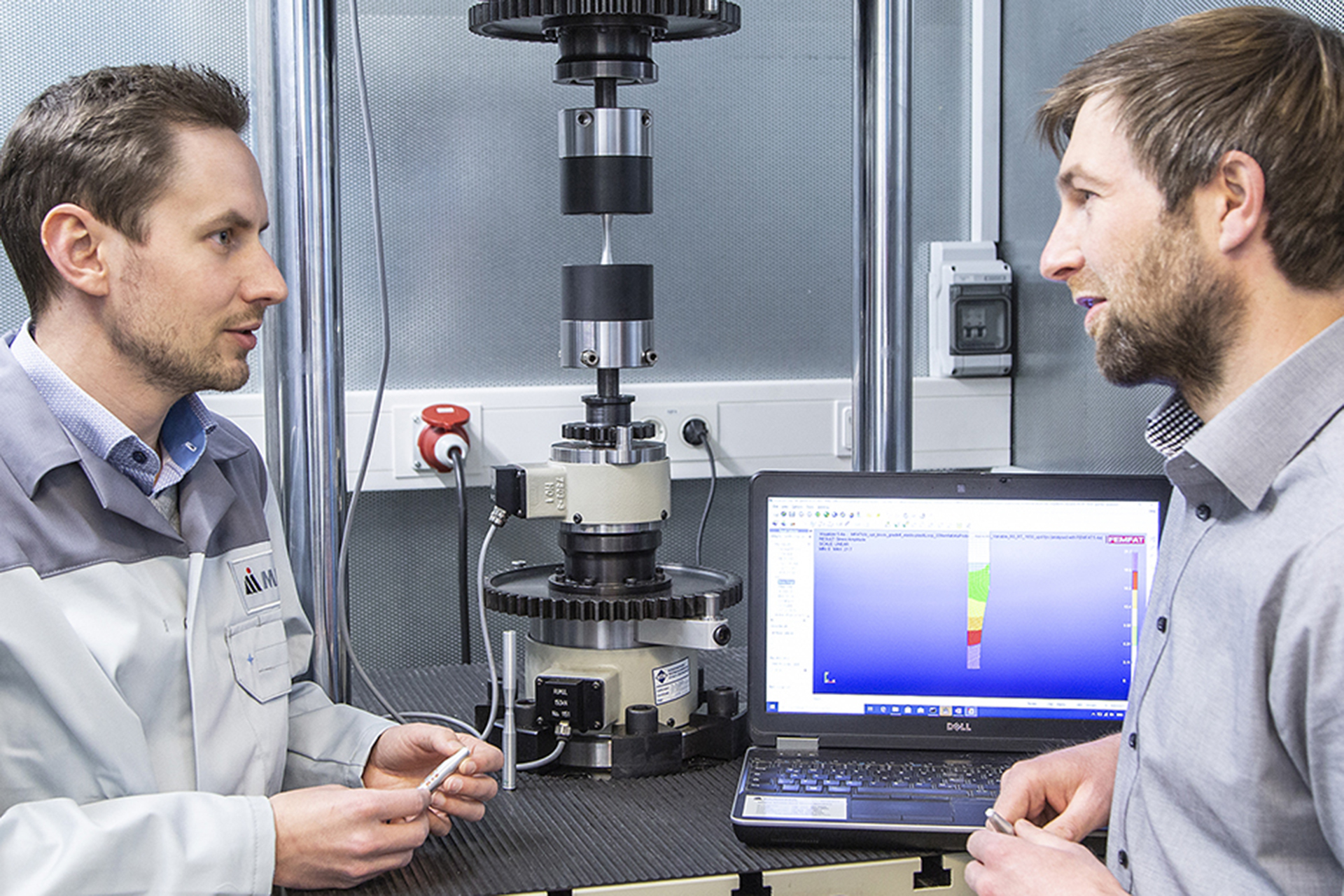
Entdecken Sie unsere umfassenden Ermüdungsprüfungen – von Materialproben bis zur Gesamtfahrzeugvalidierung für schwere Nutzfahrzeuganwendungen.
Wie stellen Ermüdungsprüfungen eine geeignete Lebensdauer von der Komponente bis zum Gesamtfahrzeug sicher?
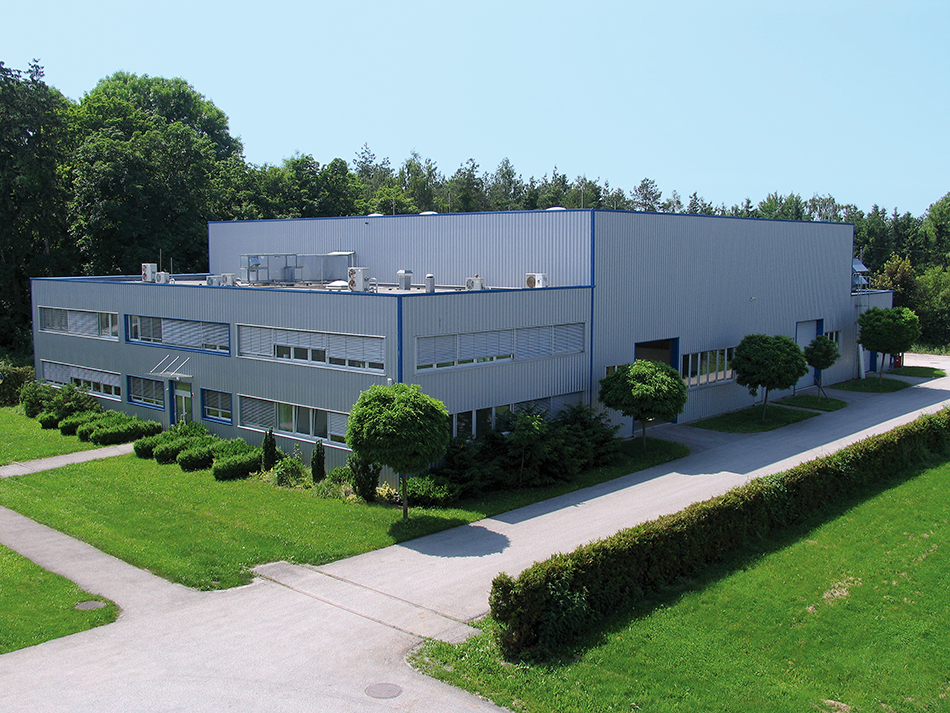
Am Magna-Standort St. Valentin in Österreich bieten wir einen vollständigen Workflow: von der Erfassung von Lastdaten und Materialprüfungen über die Komponentenvalidierung bis zur Ermüdungsbewertung des Gesamtfahrzeugs.
Unser ganzheitlicher Ansatz integriert Simulation und physische Prüfung, um Entwicklungseffizienz und Genauigkeit zu maximieren. Über die Bewertung der Ermüdungslebensdauer hinaus umfassen unsere Leistungen:
Materialanalyse und Modellerstellung
Methodenentwicklung und maßgeschneiderte Prüfstrategien
Optimierte Prüfaufbauten unter Verwendung von FEM- und MKS-Daten
Reduzierte Systemkomplexität durch die Generierung äquivalenter Lasten
Kontinuierliche Verbesserung von Simulationsmodellen durch Prüfrückmeldungen
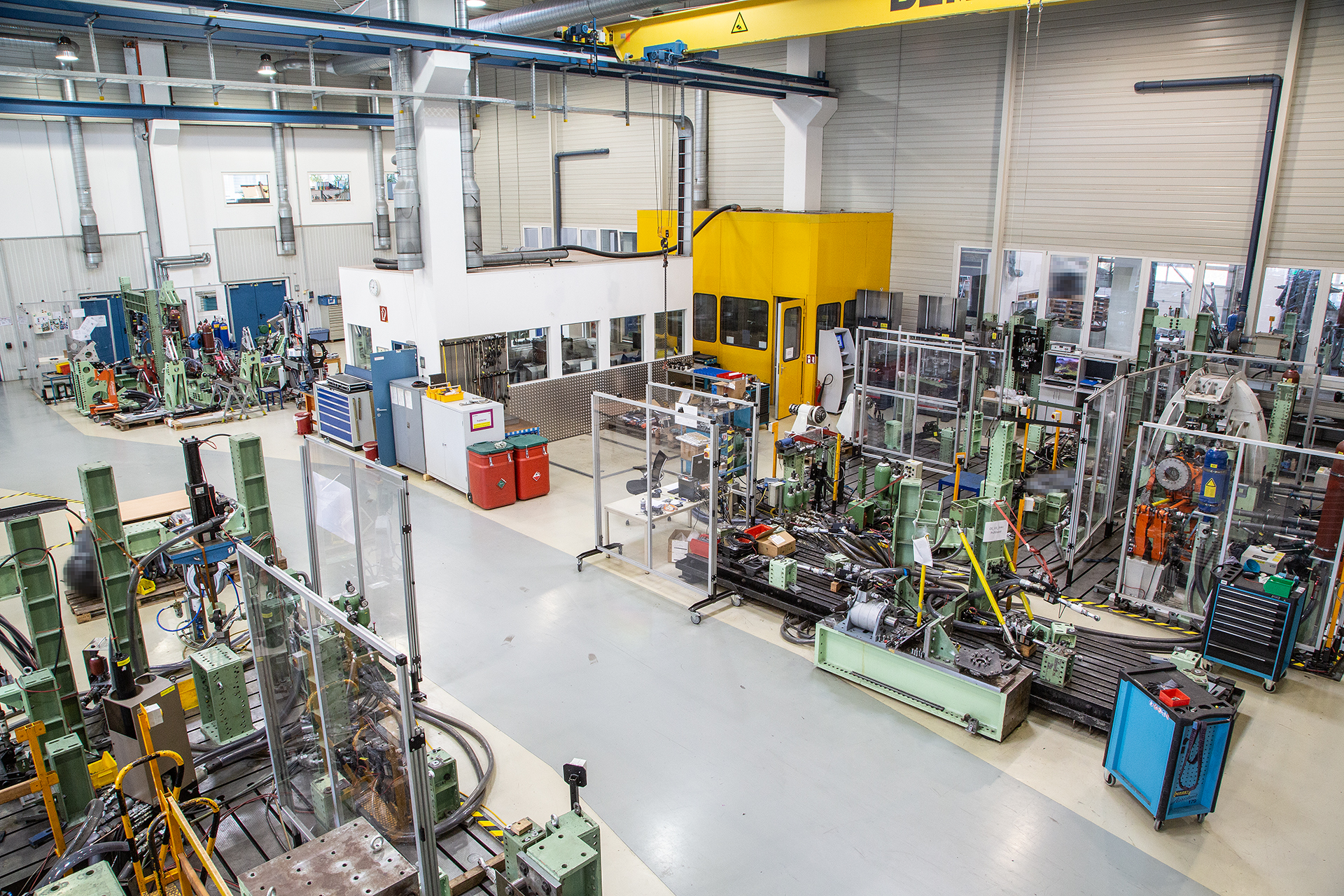
Mit bis zu 40 gleichzeitig betriebenen Aktuatoren können wir komplexe mehrachsige Lastszenarien reproduzieren. ZfP-Analysen identifizieren kritische Bereiche während und nach der Prüfung.
“Bei Ermüdungsprüfungen geht es nicht nur um die Validierung der Lebensdauer, sondern darum, das reale Verhalten zu verstehen und die Leistung über das gesamte System hinweg zu verbessern.”
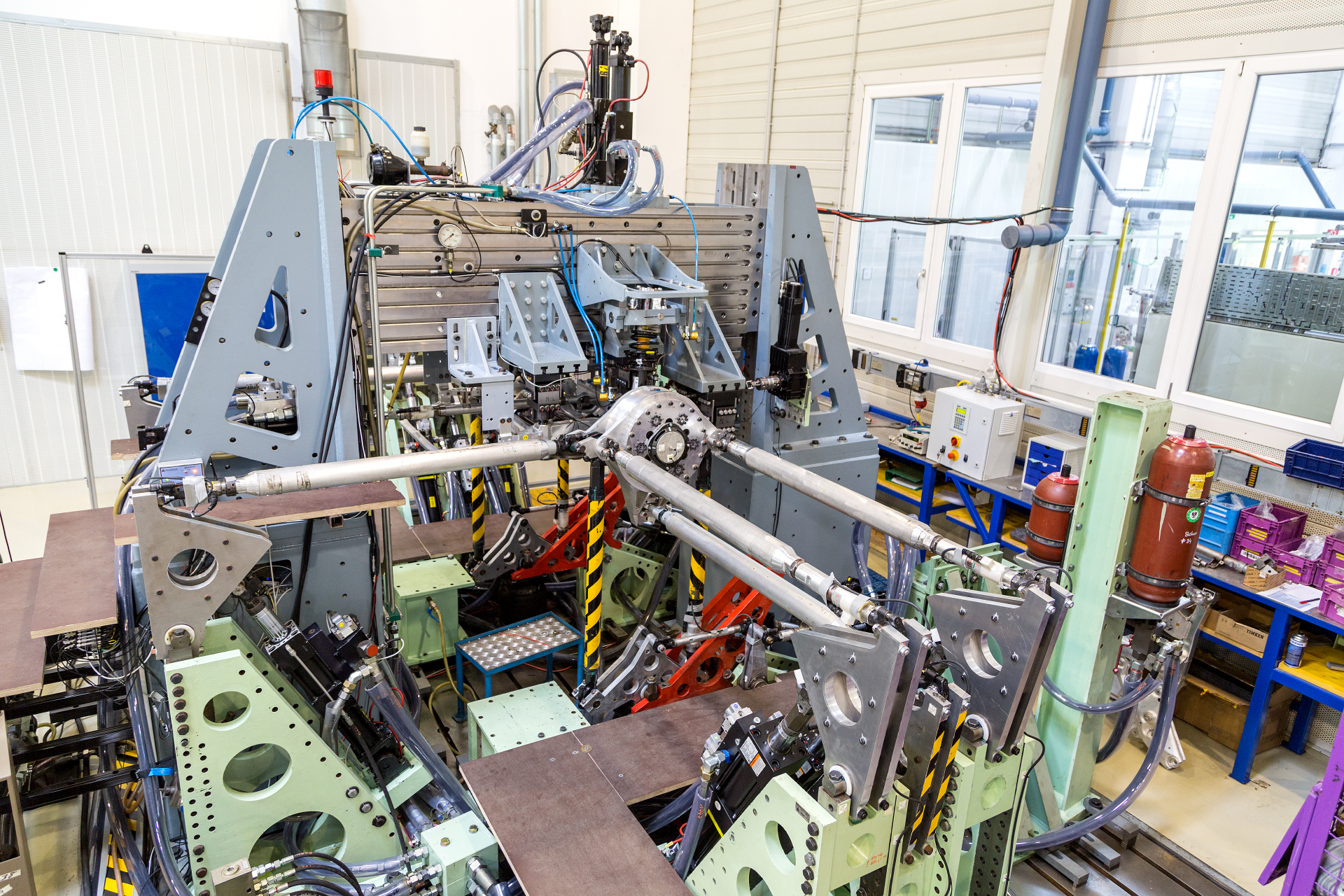
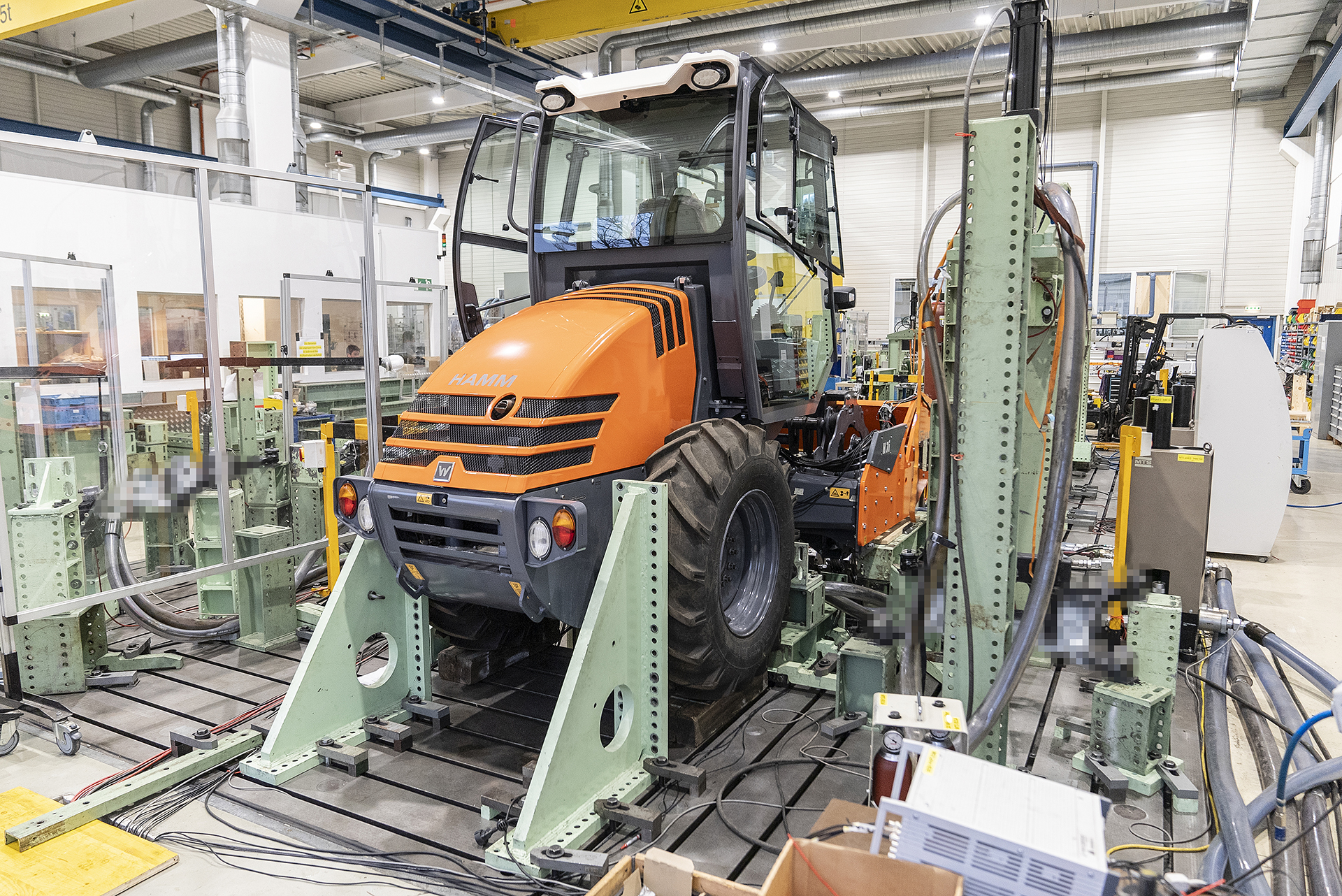
Unsere 6DOF-/12-Kanal-Achsenprüfstände für ein breites Spektrum an Fahrzeugen bilden die auftretenden Betriebslasten auf Fahrwerkskomponenten realitätsnah ab. Zusätzlich können Umwelteinflüsse wie thermische und korrosive Effekte den mechanischen Lasten überlagert werden. Darüber hinaus können aktive Komponenten in den Prüfaufbau integriert werden.
Vibrationstests für Nutzfahrzeuge
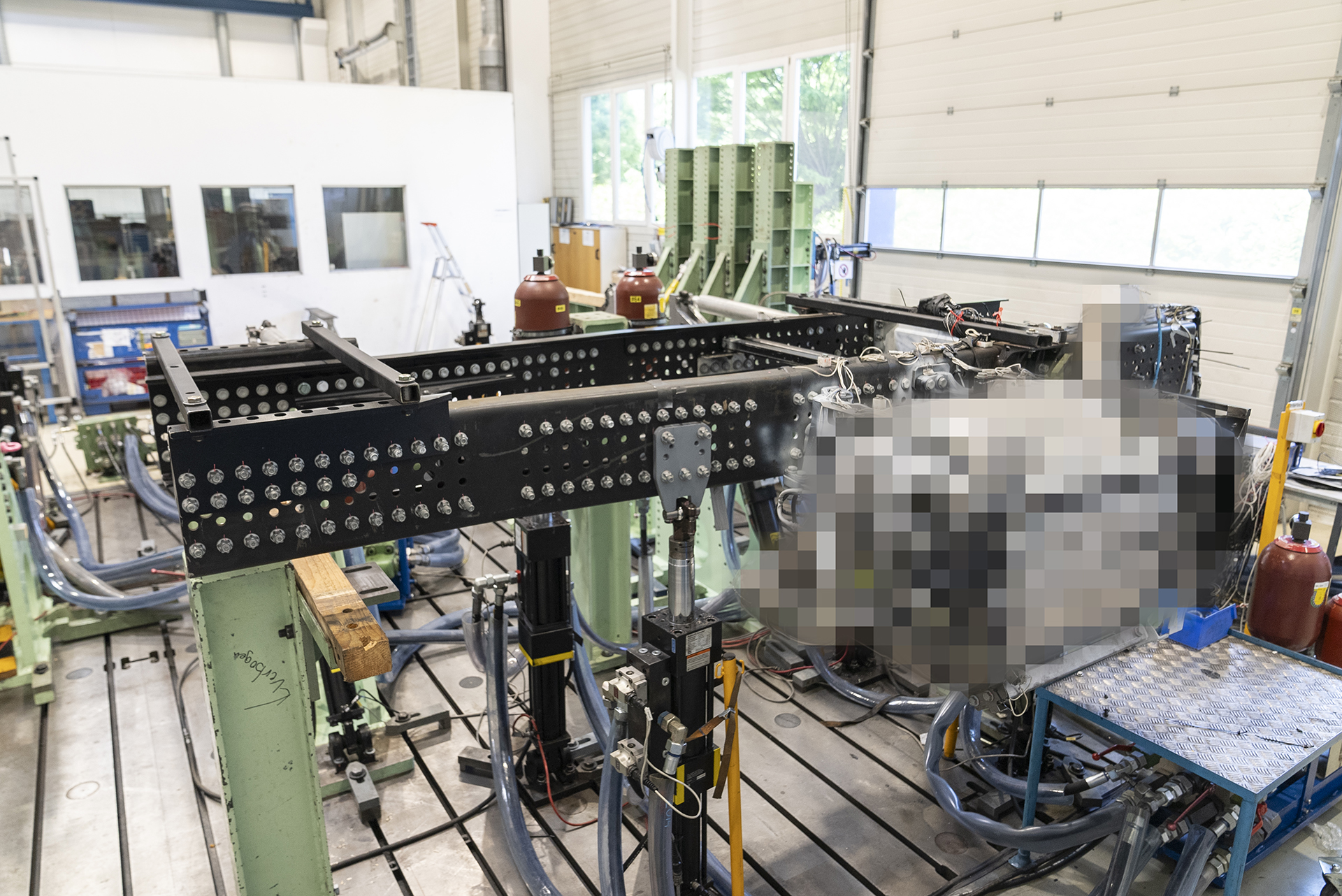
Unsere Vibrationsprüfstände für schwere Nutzfahrzeuge bilden die Beschleunigungen von Rahmen, Kabine und Anbauteilen realitätsnah ab – mit im Betrieb ermittelten oder numerisch simulierten Lastsignalen sowohl an HV-Batterie- als auch an konventionellen Abgassystemen.
Batterieprüfung
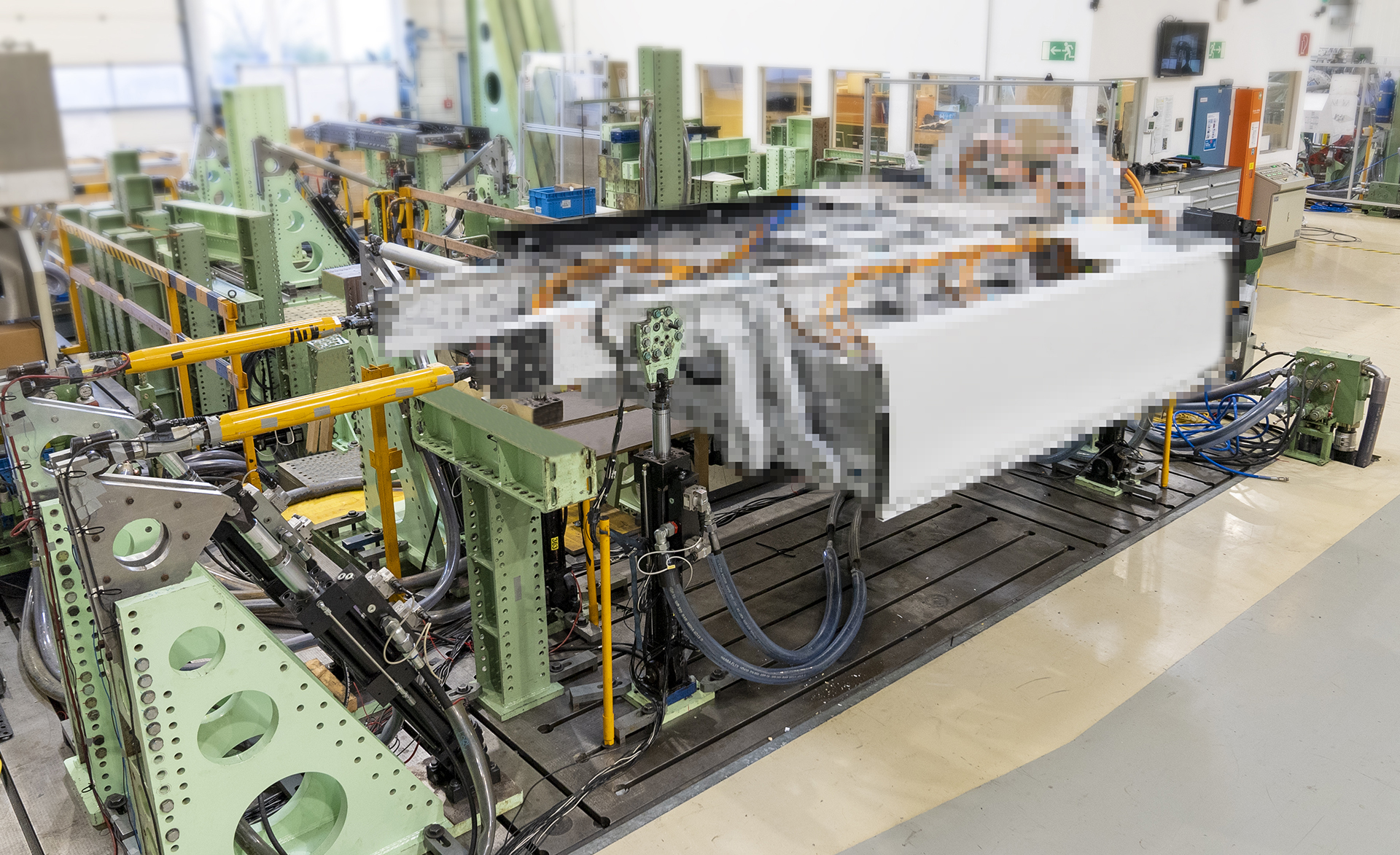
Mit unseren 6DOF-Vibrationsprüfständen testen wir HV-Batteriesysteme und deren Fahrzeugintegrationskomponenten sowohl für Nutzfahrzeuge als auch für PKW's. Bei der Ermüdungsprüfung von HV-Systemen liegt unser Fokus auf Sicherheit.
Spezialanwendungen
Aufgrund der hohen Flexibilität unserer Prüfstandstechnologie können wir Prüfungen entsprechend spezieller Kundenanforderungen und Fahrzeugklassen in Lastbereichen von einzelnen Newton bis hin zu 500 kN durchführen.
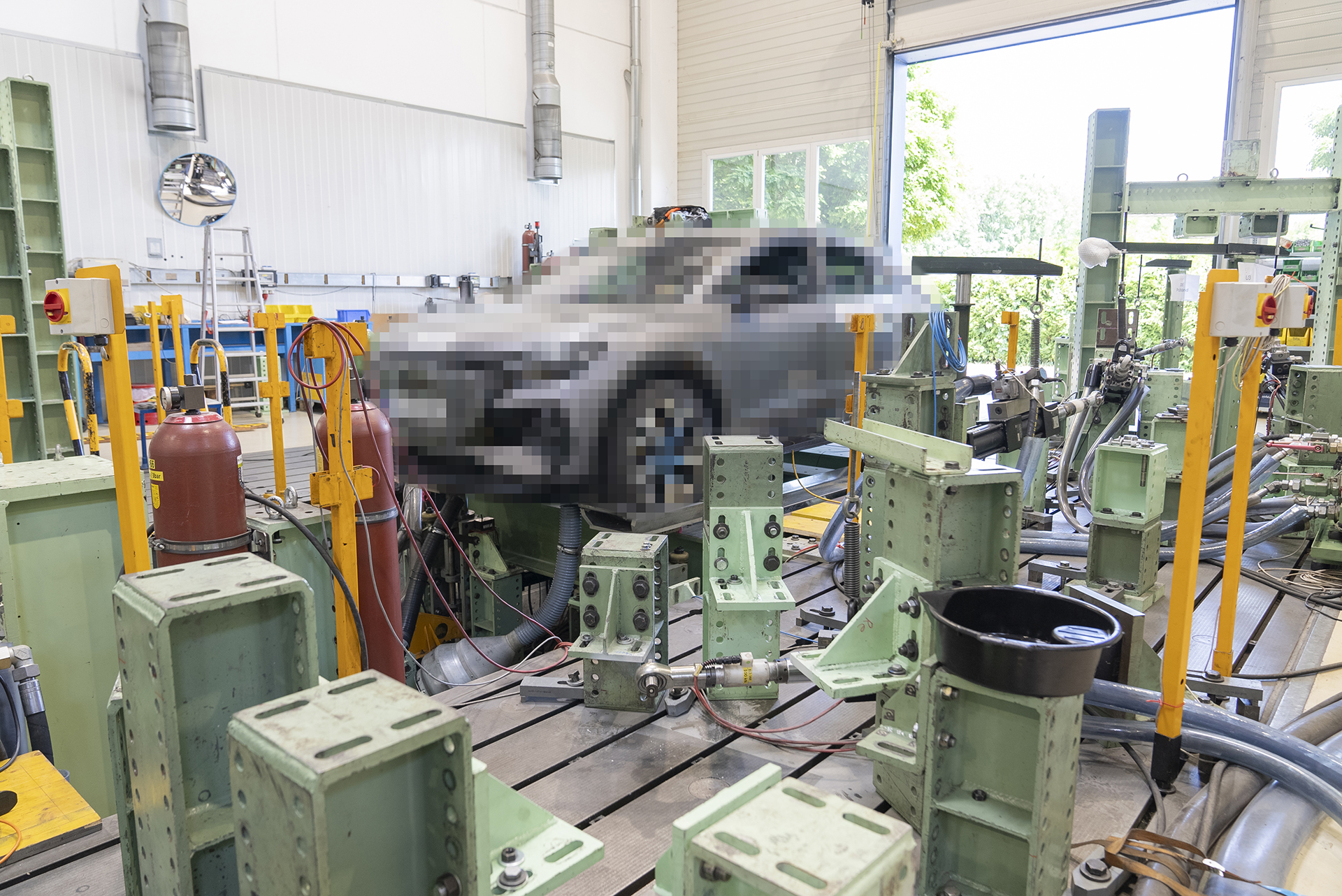
4-Poster-Prüfstand
Mit unserem 4-Poster-Prüfstand für LCVs sowie Pkw können wir eine Vielzahl von Prüf- und Messszenarien für Gesamtfahrzeuge unterstützen. Spurweite und Radstand sind vollständig anpassbar, und der gesamte Prüfaufbau kann auf spezifische Anforderungen zugeschnitten werden. Mit über 40 Messverstärkern können nahezu alle gewünschten Daten aufgezeichnet werden.
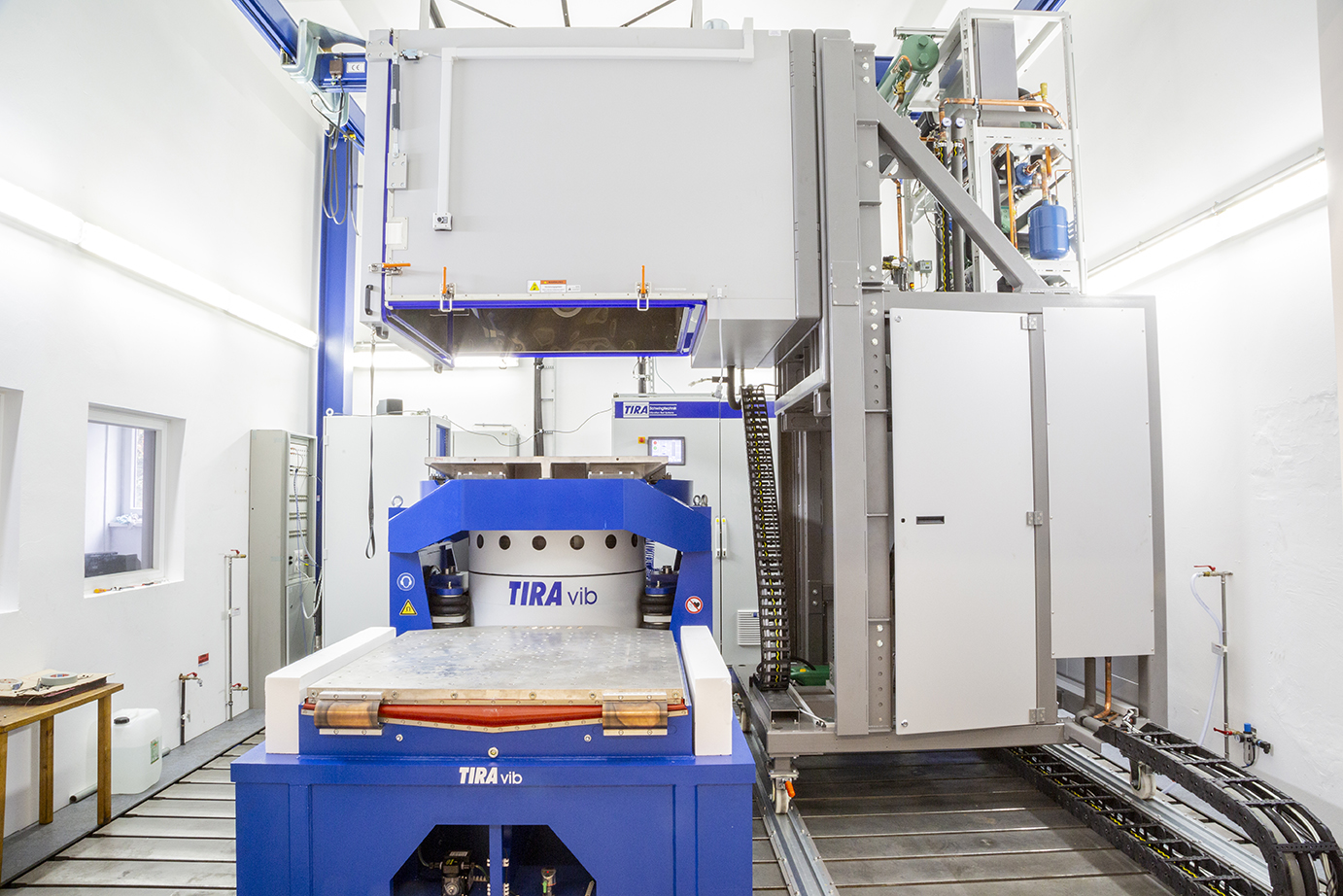
Elektrodynamischer Shaker
Mit unserem 125-kN-elektrodynamischen Shaker testen wir Ihre eDrive-Systeme und alle mechatronischen Komponenten gemäß allen relevanten Spezifikationen. Die Systeme sind vollständig integriert und können auf dem Prüfstand aktiv betrieben werden.
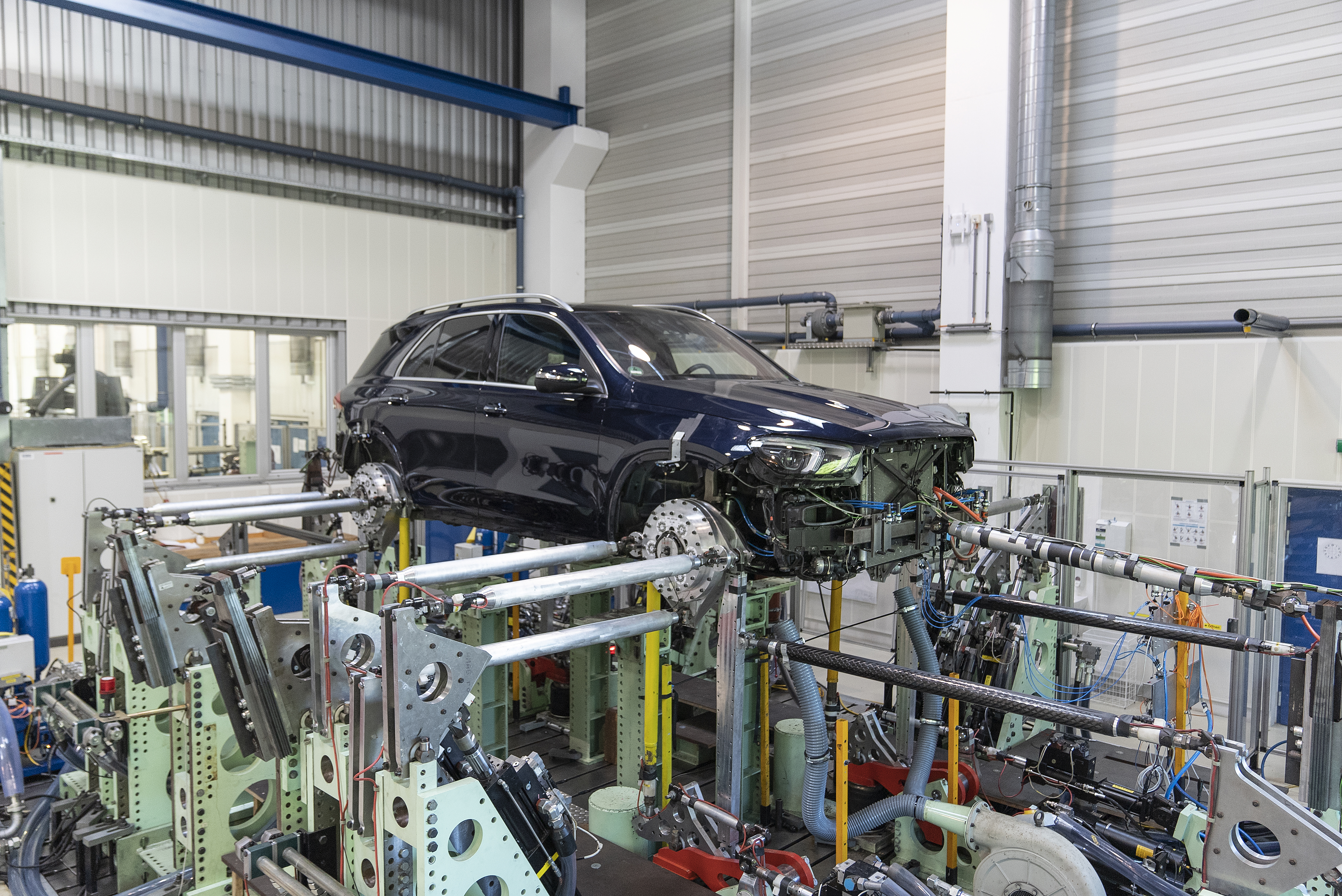
Gesamtfahrzeugprüfung
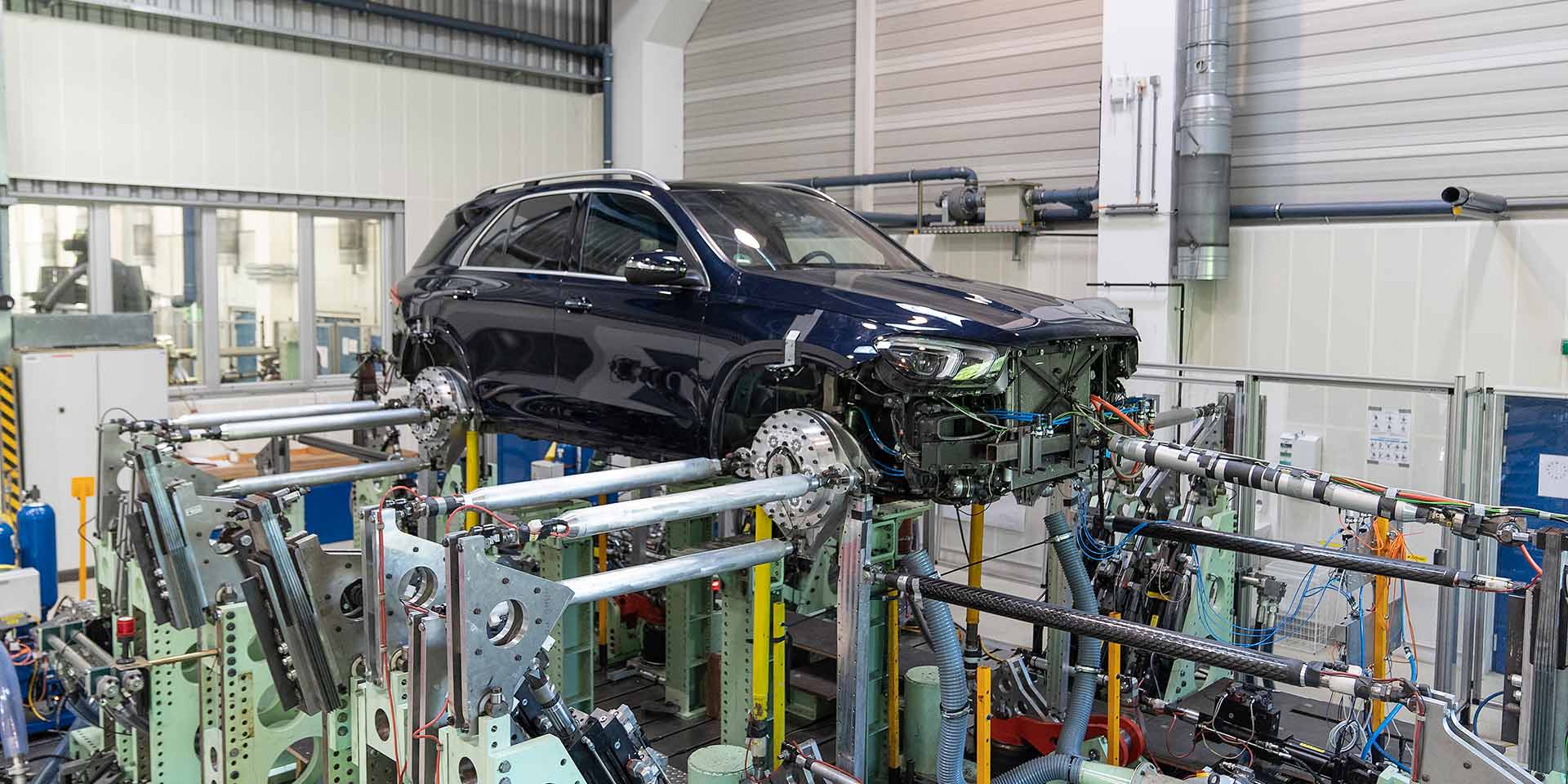
Mit unserem Gesamtfahrzeugprüfstand decken wir ein Spektrum von Sportwagen bis zu LCVs ab. Wir bieten einen ganzheitlichen Prüfansatz zur strukturellen Validierung von Fahrwerkskomponenten, Systemen sowie Karosseriestrukturen und Anbauteilen (z. B. Dachträgern).
Was zeichnet Magnas fortschrittliche Ermüdungsprüfkapazitäten im Automotive Engineering aus?
Ganzheitliche Integration von Prüfung und Simulation
Nahtlose Integration von Simulation und physischer Prüfung
Verbesserte Modellgenauigkeit und Validierungsqualität durch kontinuierliche Feedbackschleifen
Effiziente Entwicklung und zuverlässige Dauerhaltbarkeitsbewertung
Maßgeschneiderte Lastaufbringung und Prüfgestaltung
Optimierte Prüfaufbauten auf Basis von Straßenlastdaten oder FEM- und MBS-Eingangsdaten
Reduzierte Systemkomplexität durch äquivalente Lasterzeugung
Präzise Nachbildung realer Betriebsbedingungen
Skalierbare Prüfung vom Material bis zum Gesamtfahrzeug
Vollständige Abdeckung von der Materialcharakterisierung bis zur Validierung kompletter Systeme
Mehrachsige Prüfung mit bis zu 40 Aktuatoren für komplexe Lastszenarien
Zuverlässige Dauerhaltbarkeitsbewertung über ein breites Anwendungsspektrum hinweg
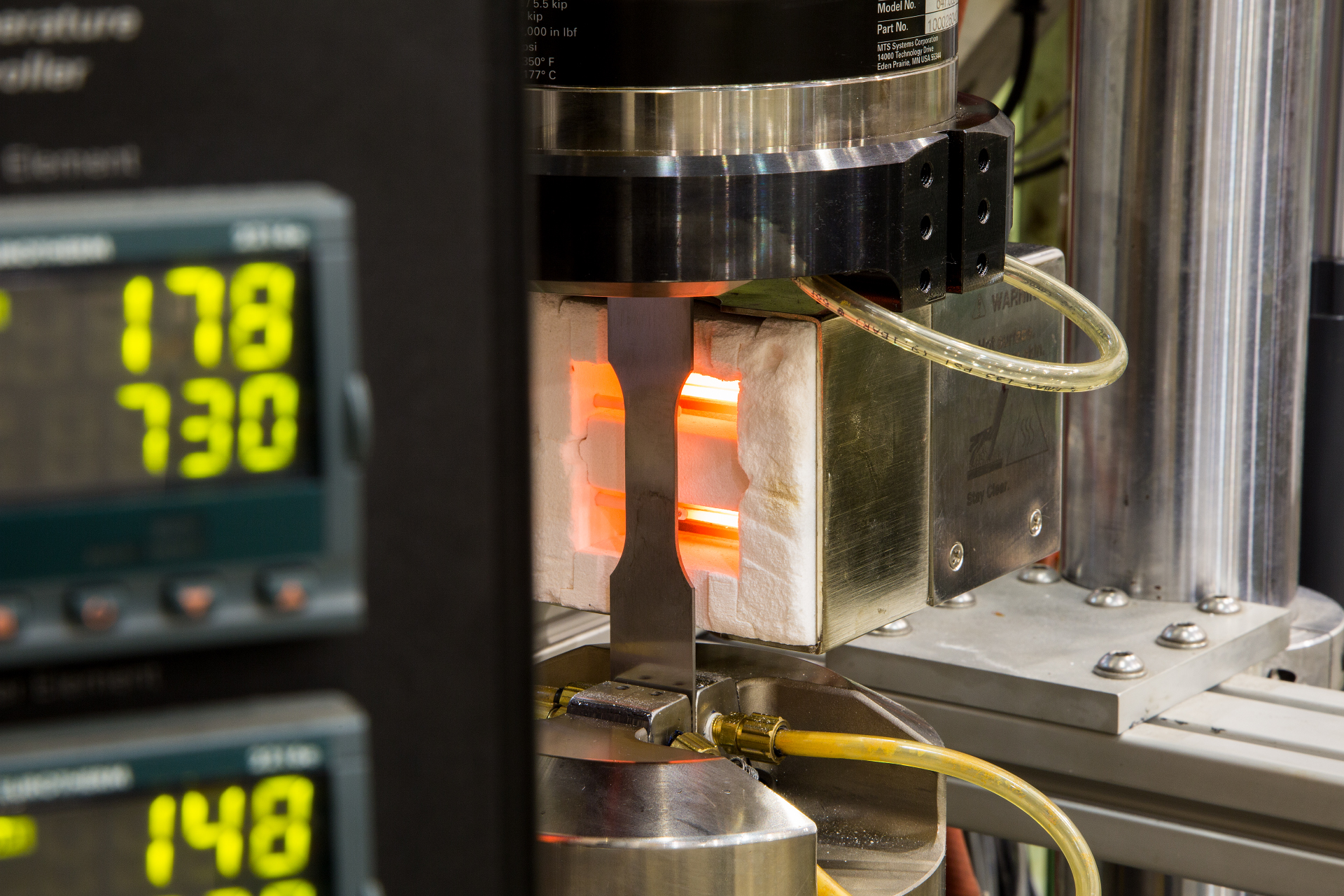
Wir untersuchen Grundwerkstoffe und Fügetechnologien und bewerten sowohl quasistatische als auch hochdynamische Materialeigenschaften – einschließlich Hochtemperaturverhalten bis 1000 °C.
Die Ergebnisse werden zur Erstellung von Materialmodellen für FEMFAT und FEMFAT WELD verwendet und unterstützen genaue Simulationsergebnisse sowie die Dauerhaltbarkeitsvalidierung.
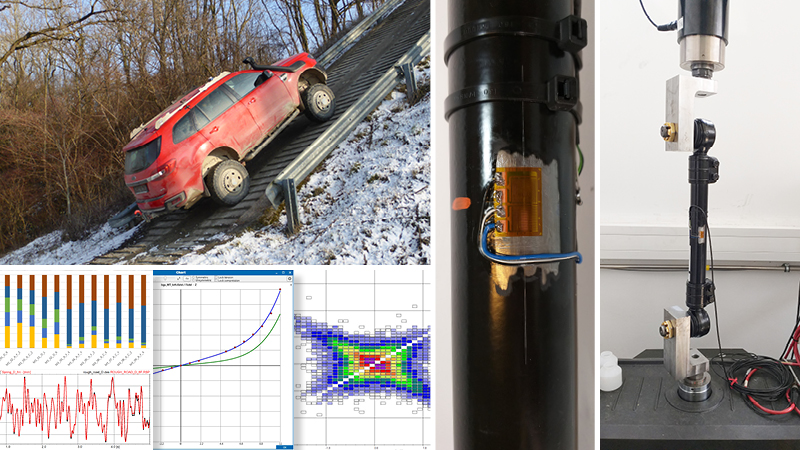
Intelligente Lastdatengenerierung und Messung
Unser End-to-End-Workflow umfasst Sensorapplikation, Kalibrierung, Lastspektrumgenerierung, virtuelle Iteration und Ableitung äquivalenter Lasten.
Unsere Messdienstleistungen reichen von der standardmäßigen Lastdatenerfassung bis zur komplexen Antriebsstranganalyse mittels Telemetrie. Die gesamte Instrumentierung und Kalibrierung erfolgt im eigenen Haus und wird durch FEMFAT LAB zur Datenverarbeitung unterstützt.
Vermeidet späte Neukonstruktionen und Validierungsschleifen
Reduziert den Aufwand für physische Prüfungen durch optimierte Ansätze
3
Schnellere Markteinführung
Kürzere Validierungszyklen durch effiziente Workflows
Beschleunigt Entscheidungen durch verlässliche Daten
4
Verbesserte Produktqualität und Zuverlässigkeit
Stellt konstante Leistung unter realen Betriebsbedingungen sicher
Unterstützt langfristige Dauerhaltbarkeit über Fahrzeuganwendungen hinweg
FAQs – über Ermüdungsprüfungen
Was sind Ermüdungsprüfungen und warum sind sie im Automotive Engineering wichtig?
Ermüdungsprüfungen bewerten, wie sich Materialien, Komponenten und komplette Systeme über die Zeit unter wiederholter Belastung verhalten. Durch die Simulation realer Betriebsbedingungen helfen sie, potenzielle Fehlerstellen und kritische Spannungsbereiche früh im Entwicklungsprozess zu identifizieren. Dies ist im Automotive Engineering wesentlich, da Dauerhaltbarkeit, Sicherheit und langfristige Leistung zentrale Anforderungen sind. Ermüdungsprüfungen unterstützen eine zuverlässige Validierung, reduzieren Entwicklungsrisiken und stellen sicher, dass Komponenten anspruchsvolle Betriebsstandards über ihren gesamten Lebenszyklus erfüllen.
Wie arbeiten Ermüdungsprüfung und Simulation in der Fahrzeugentwicklung zusammen?
Ermüdungsprüfung und Simulation sind durch eine kontinuierliche Feedbackschleife eng miteinander verbunden. Simulationsmodelle werden verwendet, um Lastbedingungen zu definieren und Prüfaufbauten zu optimieren, während physische Prüfungen diese Annahmen unter realen Bedingungen validieren. Die Prüfergebnisse werden anschließend genutzt, um Simulationsmodelle zu verfeinern und ihre Genauigkeit im Zeitverlauf zu verbessern. Dieser integrierte Ansatz ermöglicht eine effizientere Entwicklung, reduziert den Bedarf an wiederholten physischen Prüfungen und führt zu zuverlässigeren Dauerhaltbarkeitsprognosen.
Welche Arten von Komponenten und Systemen können durch Ermüdungsprüfungen validiert werden?
Ermüdungsprüfungen decken ein breites Anwendungsspektrum ab – von Materialproben und Einzelkomponenten bis hin zu kompletten Fahrzeugsystemen. Typische Prüfobjekte sind Fahrwerkskomponenten, Strukturbauteile, Antriebselemente und Baugruppen, die komplexen Lastbedingungen ausgesetzt sind. Fortschrittliche Prüfaufbauten ermöglichen mehrachsige Belastung und die Simulation realer Umgebungen, sodass sowohl einfache als auch hochkomplexe Systeme unter realistischen Bedingungen validiert werden können.
Wie werden reale Lastdaten in der Ermüdungsprüfung verwendet?
Reale Lastdaten sind eine zentrale Eingangsgröße für aussagekräftige Ermüdungsprüfungen. Sie werden über Sensoren und Messsysteme erfasst, die Parameter wie Dehnung, Beschleunigung und Verschiebung während des Fahrzeugbetriebs aufnehmen. Diese Daten werden verarbeitet, kalibriert und in Lastspektren sowie äquivalente Lastfälle umgewandelt, die auf Prüfständen angewendet werden können. Durch die Verwendung realer Betriebsdaten erreicht die Ermüdungsprüfung eine hohe Genauigkeit und stellt sicher, dass Validierungsergebnisse die tatsächliche Fahrzeugnutzung realitätsnah abbilden.