Reduced weight and improved efficiency
- Up to 20-25% lighter than traditional structures
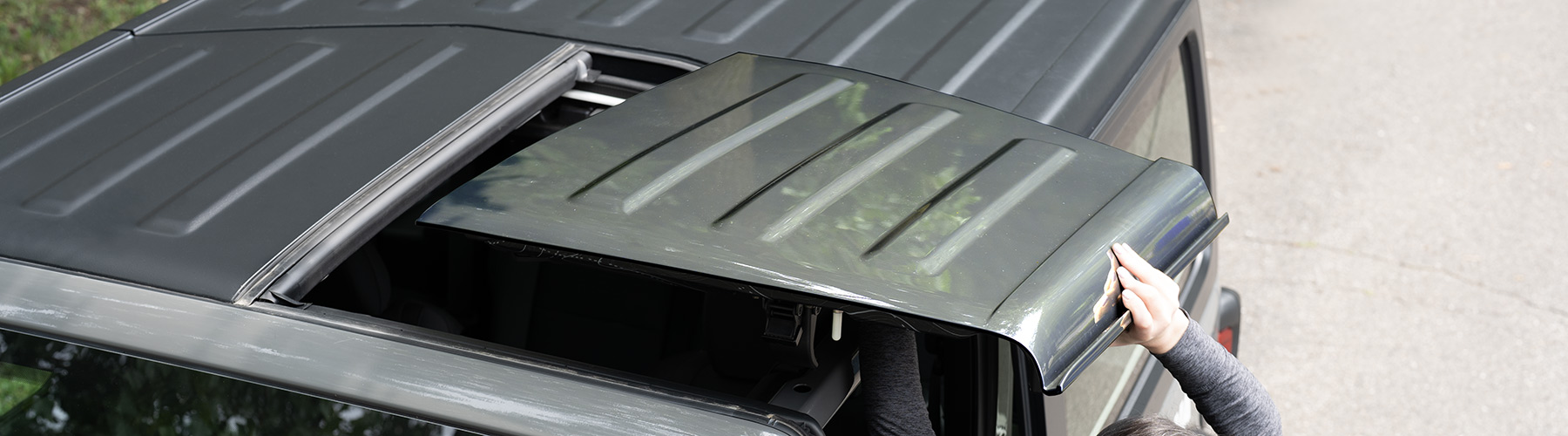
Lightweight, modular, and feature-ready to enhance vehicle design and functionality.
Thermoplastic Roof Panels introduce a modular approach to vehicle design by combining lightweight construction with removable functionality. Integrated features such as molded-in handles support easy removal, while enabling open-air configurations and flexible usage scenarios.
Compared to traditional SMC structures, thermoplastic panels can achieve an approximately 20-25% weight reduction, making them easier to handle without sacrificing any of the performance.
Thermoplastic Roof Panels open up a wide range of design possibilities, enabling greater freedom in how vehicles look and feel. From mold-in-color surfaces and textured finishes to fabric applications and hydrographic patterns, the material allows for seamless integration of both functional and aesthetic elements.
This flexibility supports the creation of distinction design identities, whether focused on premium refinement or sporty expression. At the same time, the adaptability of thermoplastics enable efficient customization without adding complexity to the manufacturing process, helping brands deliver unique experiences at scale.
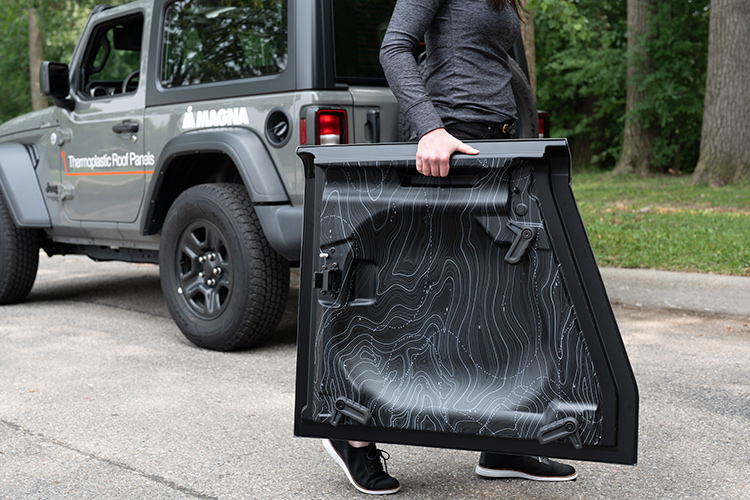
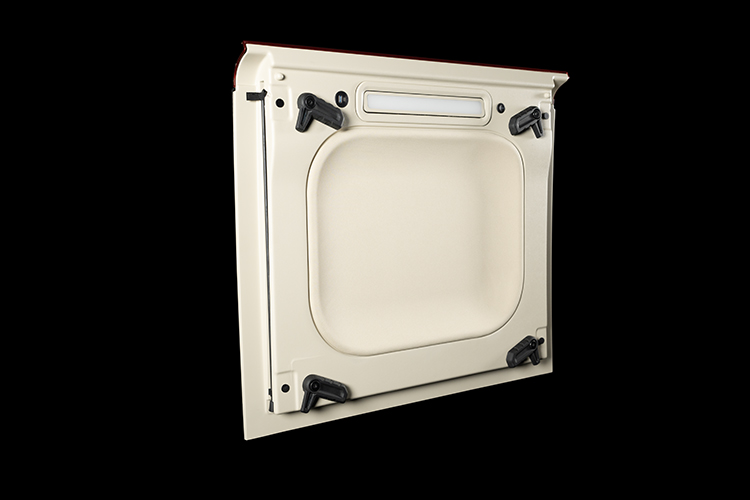
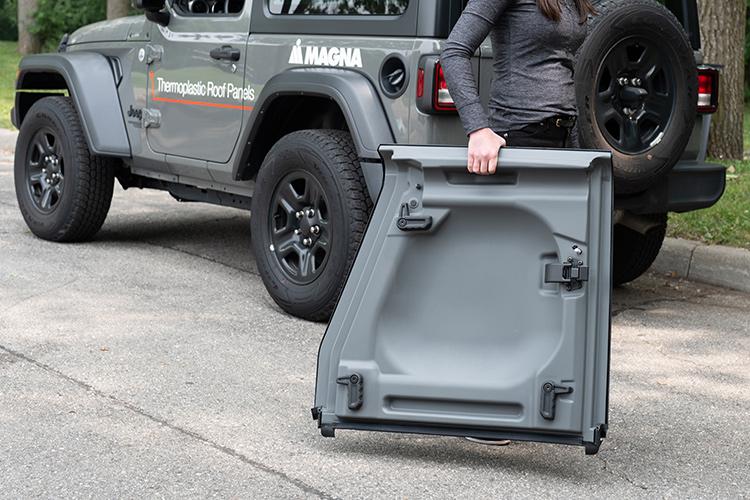
Thermoplastic Roof Panels are modular roof components designed to replace conventional structures such as sheet molding compound. They are manufactured from lightweight thermoplastic materials that enable greater design flexibility, integrated functionality and improved efficiency. Unlike traditional fixed roof systems, they can be removed or adapted, supporting configurable vehicle concepts.
This shift allows the roof to evolve from a purely structural element into a functional component that contributes to usability, design and overall vehicle experience.
Our thermoplastic roof panels meet all the same performance requirements of a traditional SMC roof. Thermoplastic provides a stiff, impact resistant covering that is lighter weight and much easier to handle than traditional materials.
Using injection molded thermoplastic opens up a variety of integration and design possibilities. Molded-in features can include interior lighting, charge ports, storage and more.