



Advanced ADAS
- Radar, camera and thermal sensors detect vehicles and pedestrians
- Multi-sensor perception improves situational awareness
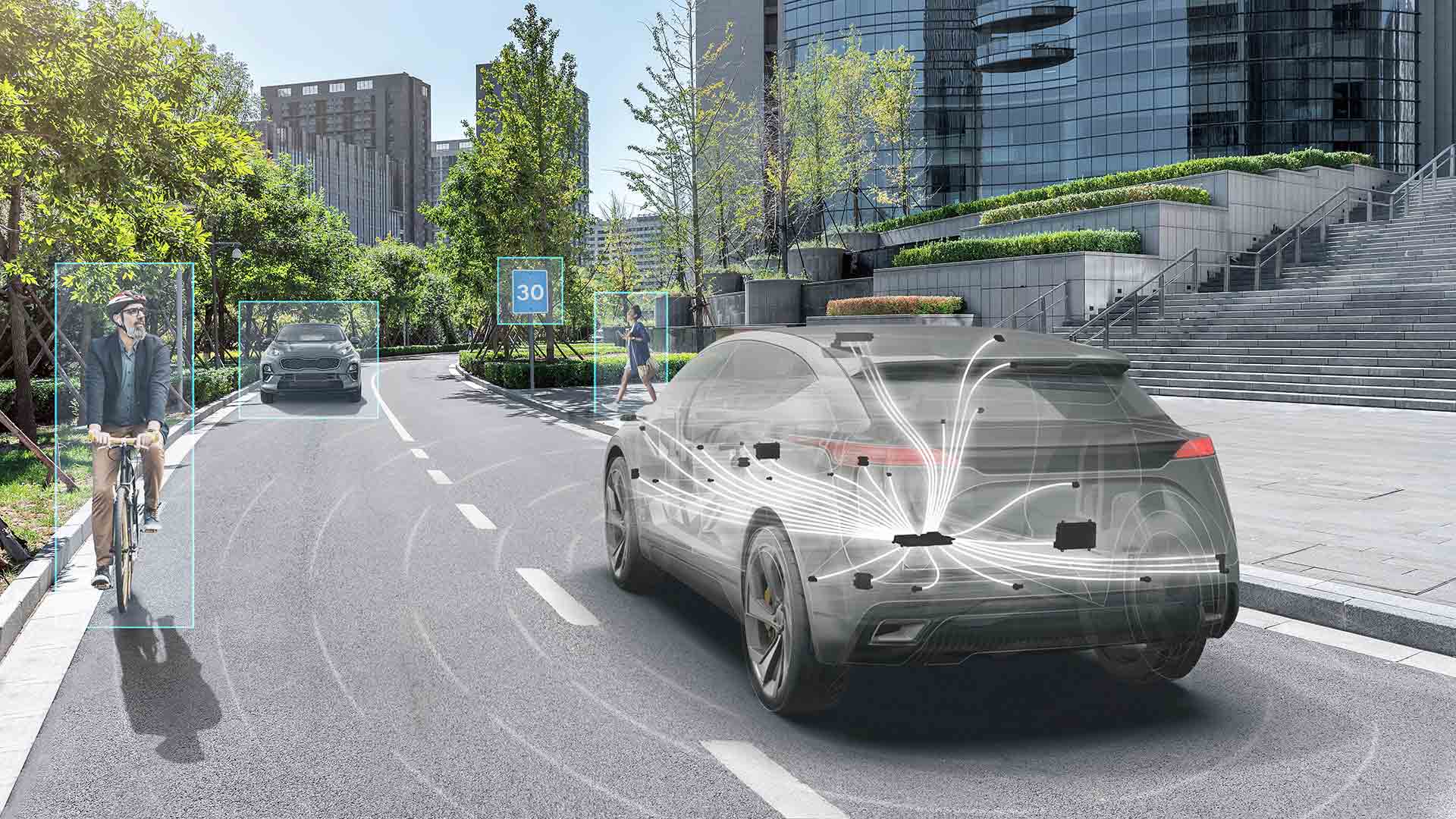
Discover scalable ADAS Technologies and Automated Driving Systems enabling safer, smarter vehicles.
Magna specializes in providing comprehensive solutions that deliver advanced driver assistance systems. Our portfolio is designed to be scalable, creating opportunities for integration and allowing us to supply solutions for every need. We continue to develop marketing-leading products and systems that deliver enhanced safety and convenience.



"Magna Electronics develops scalable ADAS that combines radar, cameras, compute platforms and software to enable safer vehicles and automated driving functions."
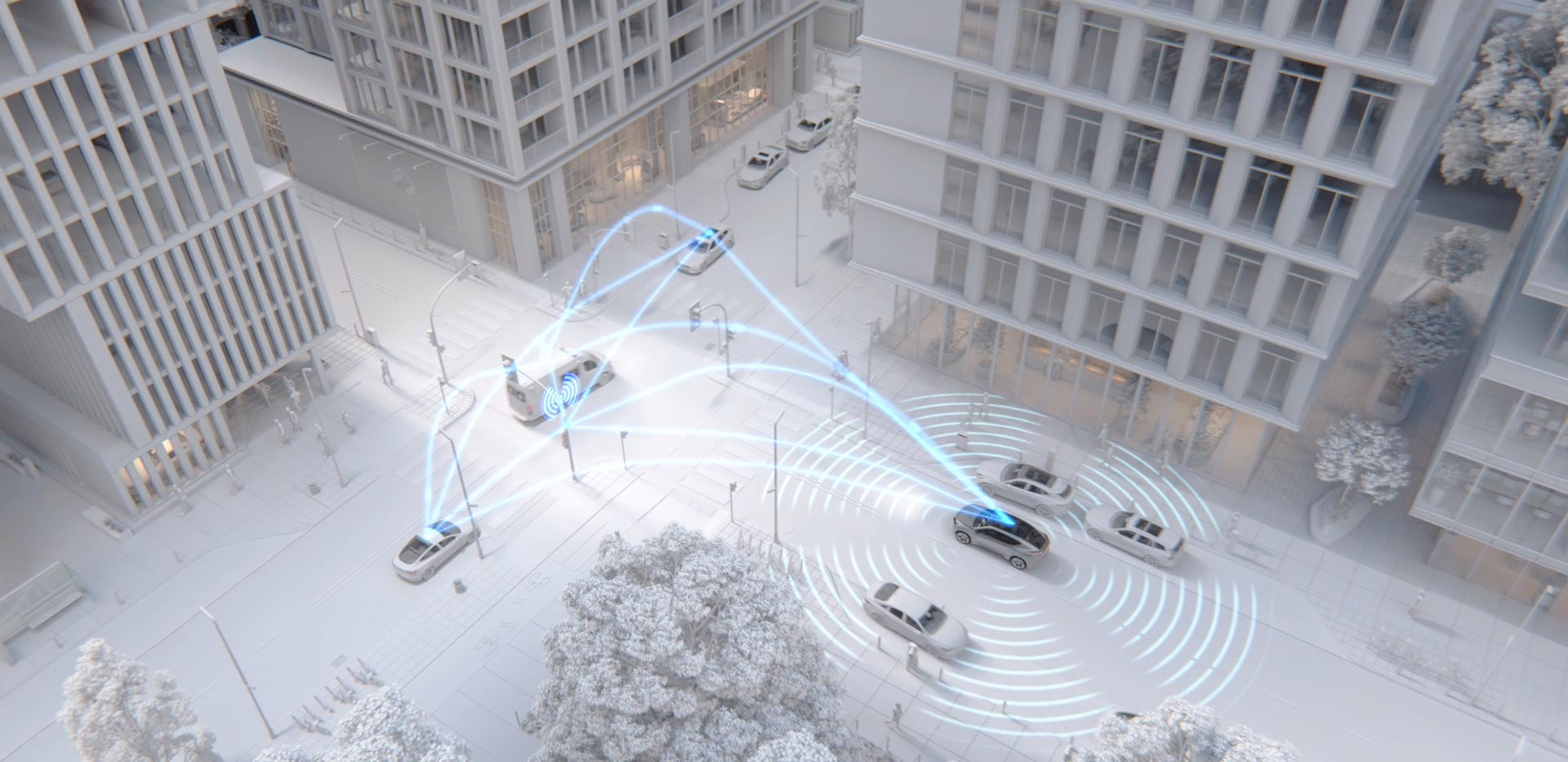
Connected ADAS utilizes information shared between road users and infrastructure to make driving safer and more efficient. This cutting-edge technology enhances situational awareness for connected vehicles, providing an improved driving experience by either warning the driver or taking action directly based on the information received. This forward-thinking safety feature surpasses the capabilities of local sensors, which is essential as drivers increasingly expect these systems to handle more challenging situations.
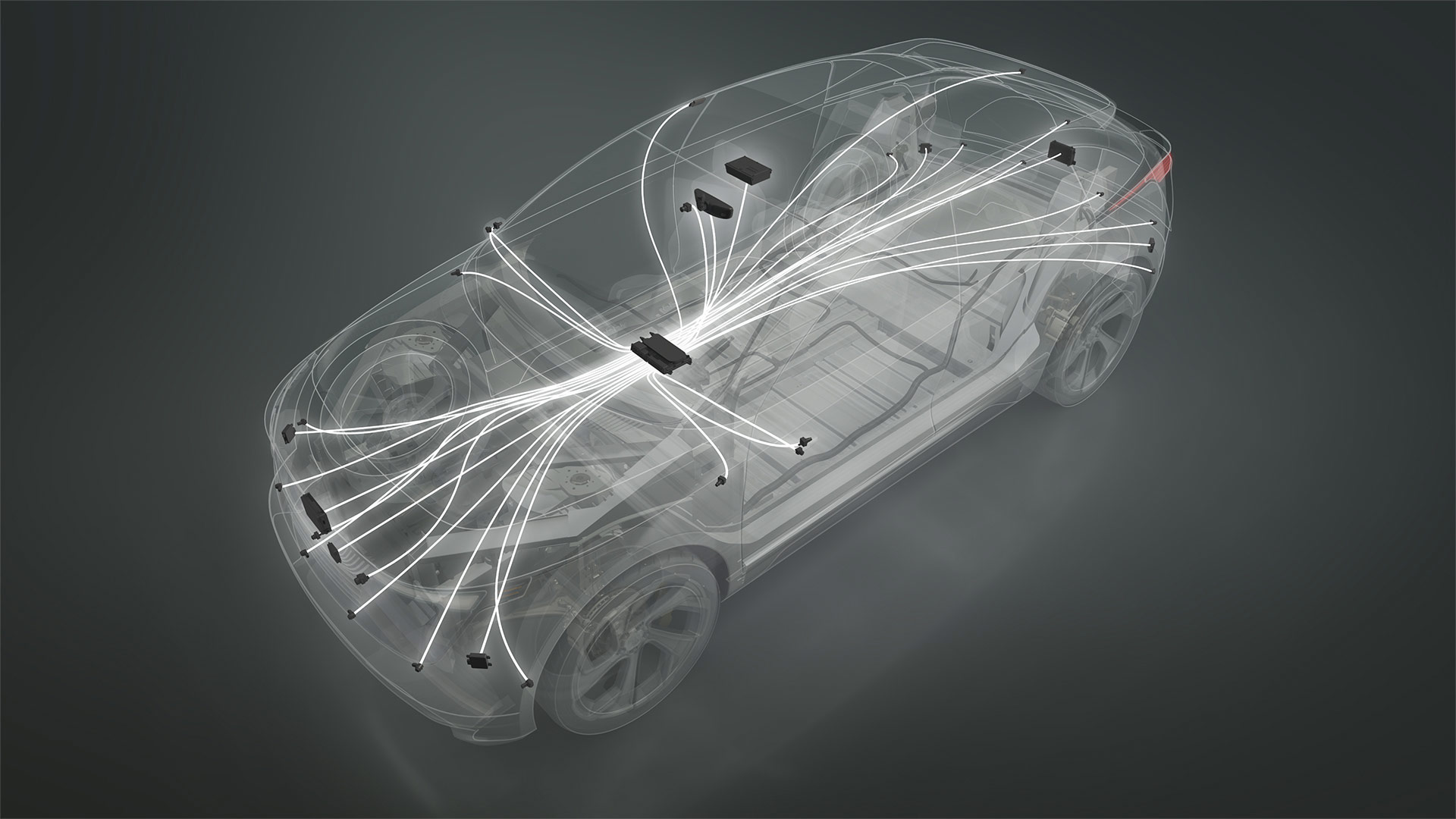
At a systems level, we take responsibility for the entire process, including the supply and integration of sensor suite, ensuring seamless functionality of features, software, middleware. Our focus is on optimizing vehicle performance and validation, empowering OEMs to differentiate their brand and focus on the user experience.
ADAS are vehicle technologies designed to improve driving safety, comfort and situational awareness. These systems support the driver through automated functions that monitor the vehicle environment and assist in critical driving situations. ADAS use sensors such as radar, cameras and other perception technologies to detect vehicles, pedestrians, lane markings and road conditions. Based on this data, intelligent software can provide warnings, assist with steering or braking and enable safety features such as collision warning, lane keeping and adaptive cruise control.
ADAS improve vehicle safety by continuously monitoring the surroundings of the vehicle and helping drivers react more quickly to potential hazards. By combining sensors, data processing and intelligent software, these systems can detect obstacles, traffic participants and changing road conditions in real time. When a risk is identified, ADAS technologies can warn the driver or actively support vehicle control through braking, steering or acceleration adjustments. These capabilities help reduce accidents, improve driver awareness and enhance overall road safety.
ADAS rely on a combination of advanced sensing, computing and software technologies. Key components include radar sensors, camera systems, thermal sensing technologies and interior monitoring systems that capture data about the vehicle environment and driver behavior. High performance compute platforms process this sensor data in real time and combine information from multiple sources through sensor fusion. This integrated technology stack enables reliable perception, decision making and control functions that support advanced driver assistance and automated driving features.
ADAS technologies form the technological foundation for automated driving by combining sensing, computing and intelligent control systems. Sensors such as radar and cameras continuously detect the vehicle surroundings and provide detailed environmental data. Compute platforms analyze this data and enable advanced driving functions such as adaptive cruise control, lane centering, automated emergency braking and automated parking. As these technologies evolve, they support the gradual transition from driver assistance to higher levels of automated driving.


