
Scalable ADAS
- Flexible architectures for vehicle platforms
- Scalable for different vehicle segments
- Ready for automated driving
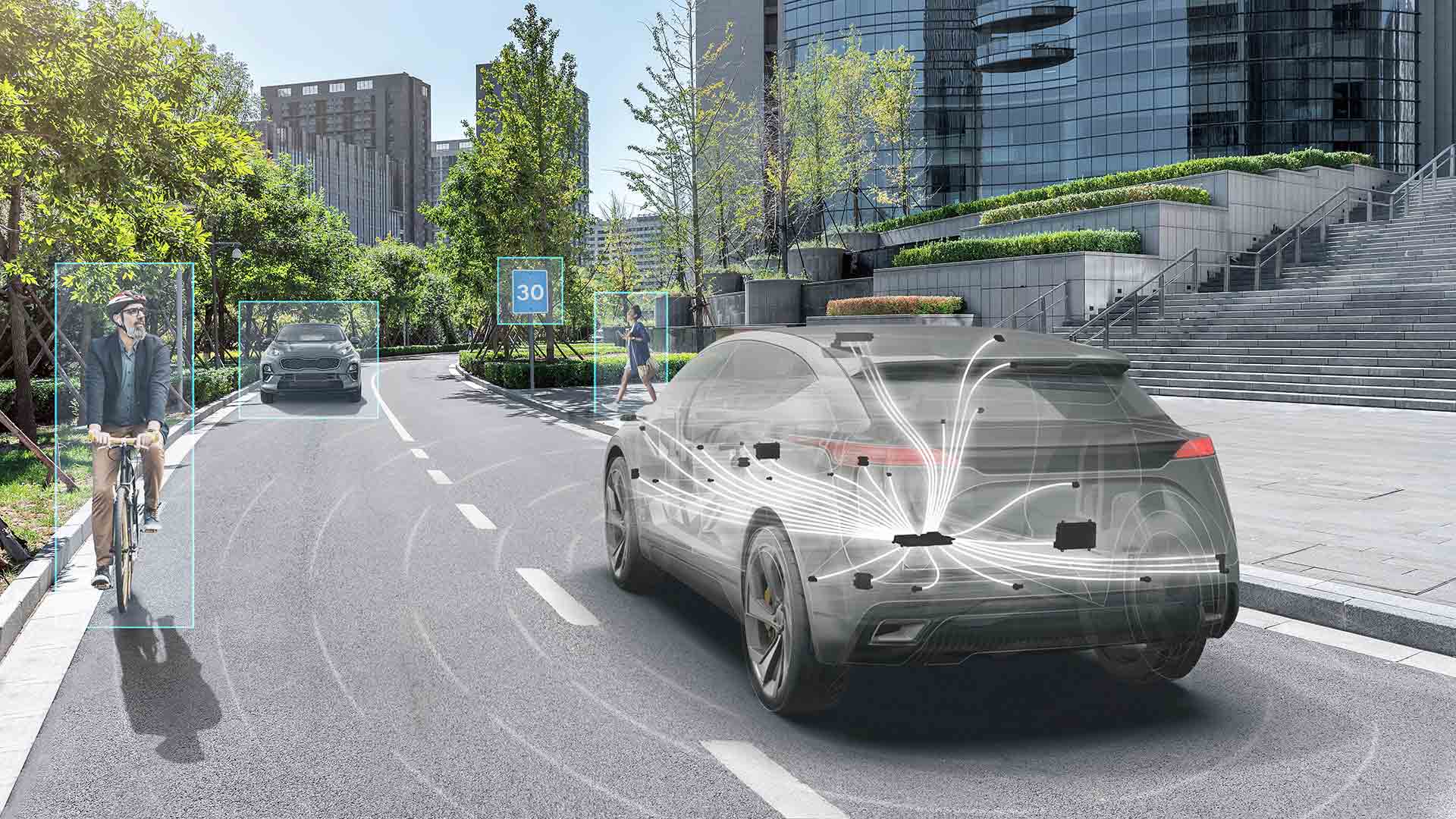
Advanced ADAS features enhancing safety, enable automated driving and power next generation vehicle perception.

"Magna’s ADAS features pave the way for autonomous driving by combining sensors, compute and software into scalable systems for safer vehicles and advanced driving functions."


Collision avoidance systems use advanced sensing and real time processing to detect critical situations and support timely intervention. By identifying vehicles, pedestrians and obstacles, these features help reduce risk and enhance safety across a wide range of driving scenarios.
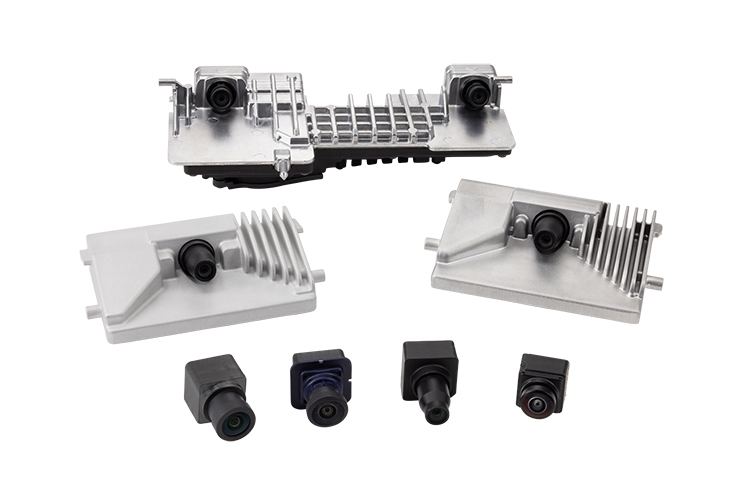
Cameras
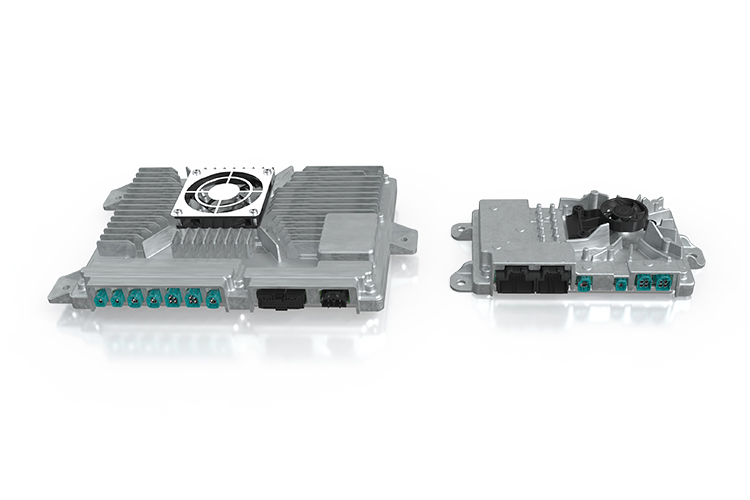
Compute Units
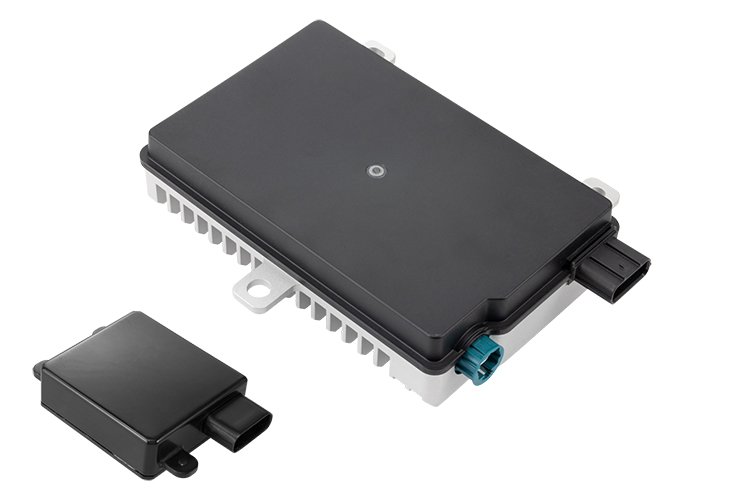
Radars
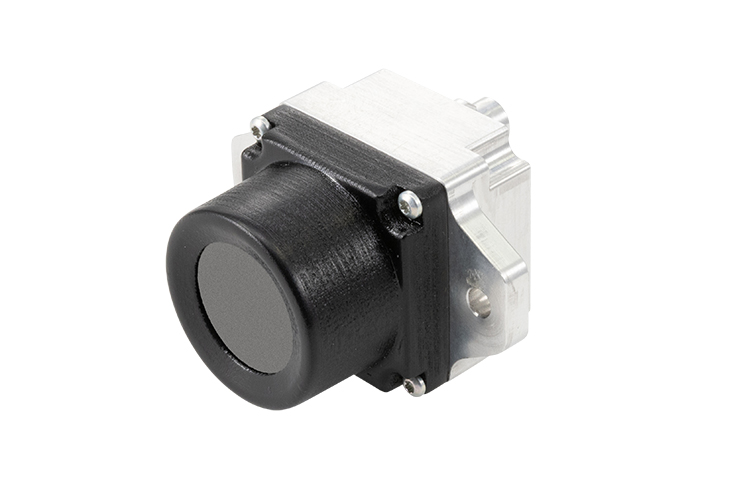
Thermal Sensing
Cruise features use advanced ADAS to maintain speed, distance and lane positioning. By adapting to traffic conditions in real time, they enhance driving comfort, improve safety and support more automated driving functions.
Cameras
Compute Units
Radars
Thermal Sensing
Driver and occupant monitoring features use interior sensing technologies to track driver behavior and occupant conditions in real time. By detecting distraction, fatigue and presence, these systems support proactive safety measures and improve in-cabin awareness.
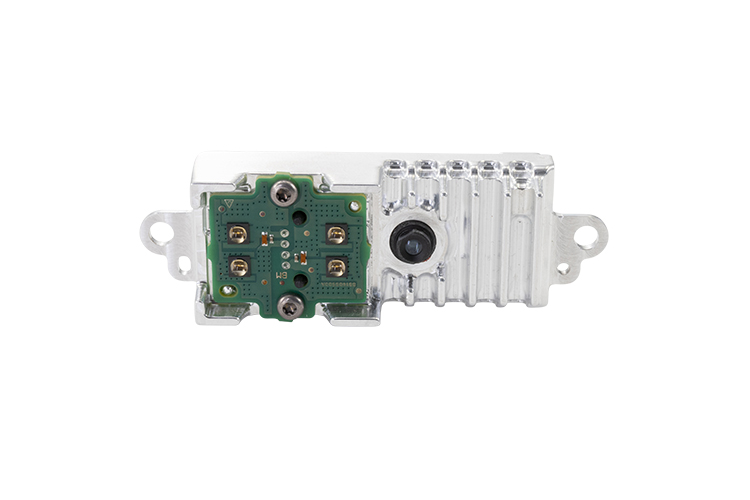
Driver Facing Camera
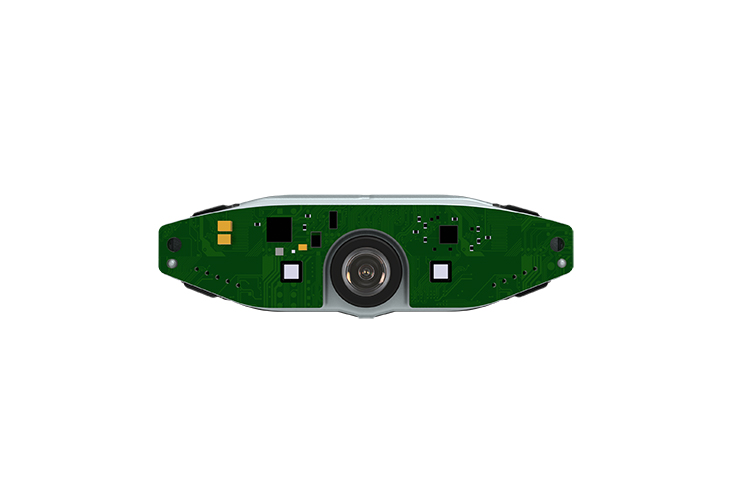
Interior Camera
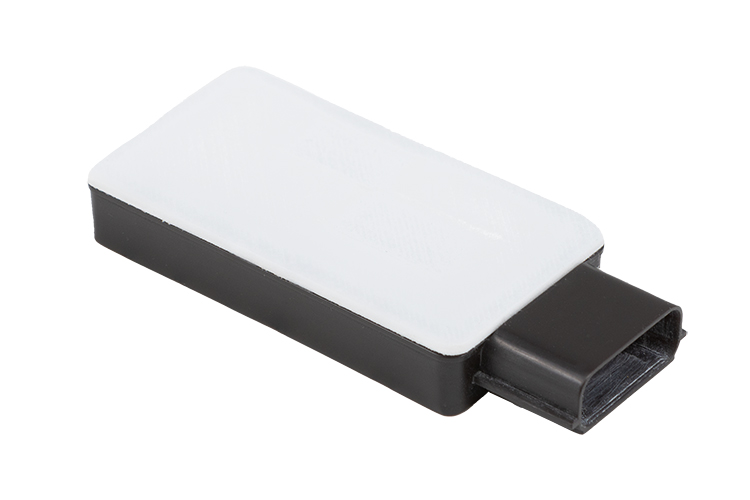
Interior Sensing Radar
Magna’s advanced parking features combine high-resolution sensing with intelligent control algorithms to provide active guidance and automated assistance to drivers, ensuring precise and safe maneuvering in even the tightest spaces.
Cameras
Compute Units
Radars
Magna’s patented trailering features merge high-resolution cameras with intelligent software algorithms to give drivers an improved all-around view, eliminating blind spots and enhancing situational awareness during complex maneuvers.
Cameras
Compute Units
Magna’s advanced view features combine high-resolution imaging with intelligent software algorithms to provide drivers with an enhanced visual perspective, ensuring maximum visibility and complete confidence in any environment.
Cameras
Compute Units
Thermal Sensing
Advanced Driver Assistance Systems (ADAS) are integrated vehicle technologies designed to support drivers and enhance overall safety and comfort. They combine sensors such as cameras, radar and thermal sensing with software and compute platforms to perceive the vehicle environment in real time. ADAS enable a wide range of functions including collision avoidance, adaptive cruise control, driver monitoring and automated parking. These systems represent a key step toward automated driving by continuously improving perception, decision making and vehicle control capabilities.
ADAS improve vehicle safety by continuously monitoring the surrounding environment and detecting potential hazards before they become critical. Using advanced sensing technologies and real time data processing, they can identify vehicles, pedestrians, road conditions and unexpected obstacles. Based on this information, ADAS either provide warnings to the driver or actively support interventions such as braking or steering. This reduces the likelihood of accidents, enhances situational awareness and helps drivers respond more effectively in complex and dynamic driving scenarios.
ADAS form the technological foundation for automated driving by providing the essential building blocks of perception, processing and control. They continuously collect and analyze data from multiple sensors to understand the vehicle’s surroundings and predict potential risks. As these systems evolve, they increasingly take over driving tasks such as maintaining speed and distance, keeping the vehicle in lane or performing parking maneuvers. With scalable architectures and advanced software, ADAS enable the gradual transition from driver assistance to higher levels of vehicle automation.
ADAS and Automated Driving Systems rely on a combination of sensing, computing and software technologies. Key components include cameras for visual perception, radar for distance and speed detection, and thermal sensing for improved visibility in low light or challenging conditions. These sensors are connected to high performance compute units that process large amounts of data in real time. Intelligent software algorithms fuse this data to create a detailed understanding of the vehicle environment, enabling accurate perception, decision making and execution of driving functions.

