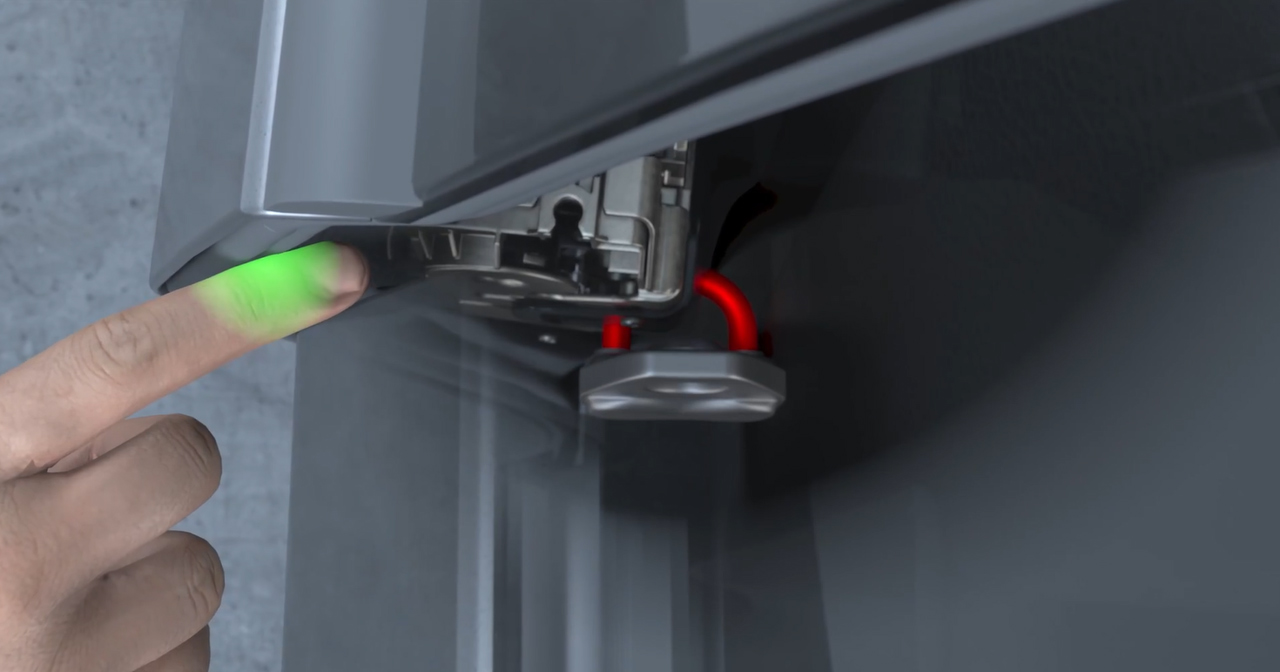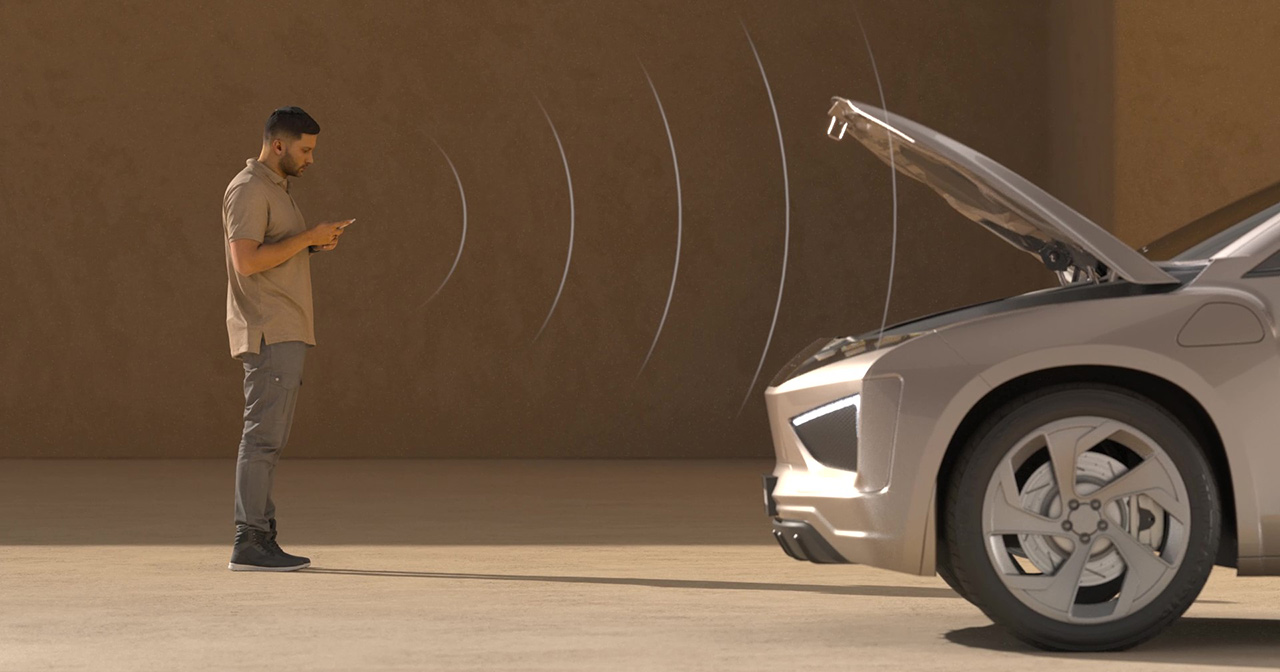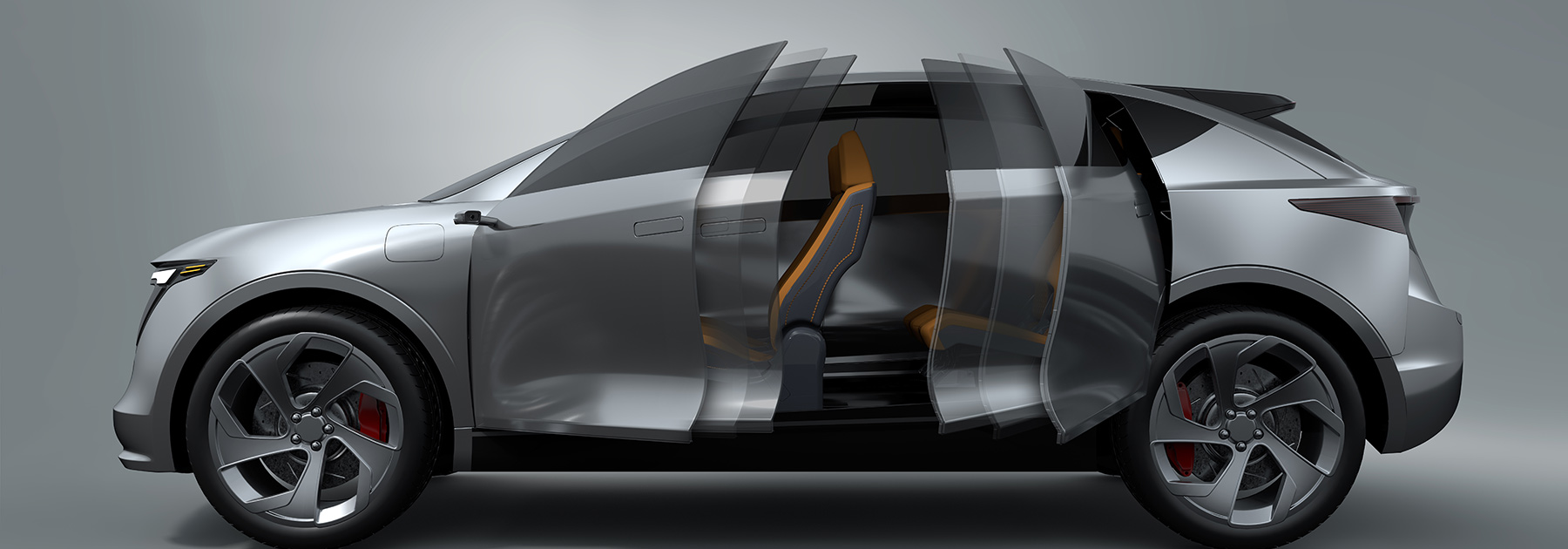
Grey vehicle showing the functionality of the Power Door

5 Technology Shifts Reshaping Vehicle Access

Key Takeaways

  • Evolving safety requirements demand reliable mechanical operation as access becomes more electronic
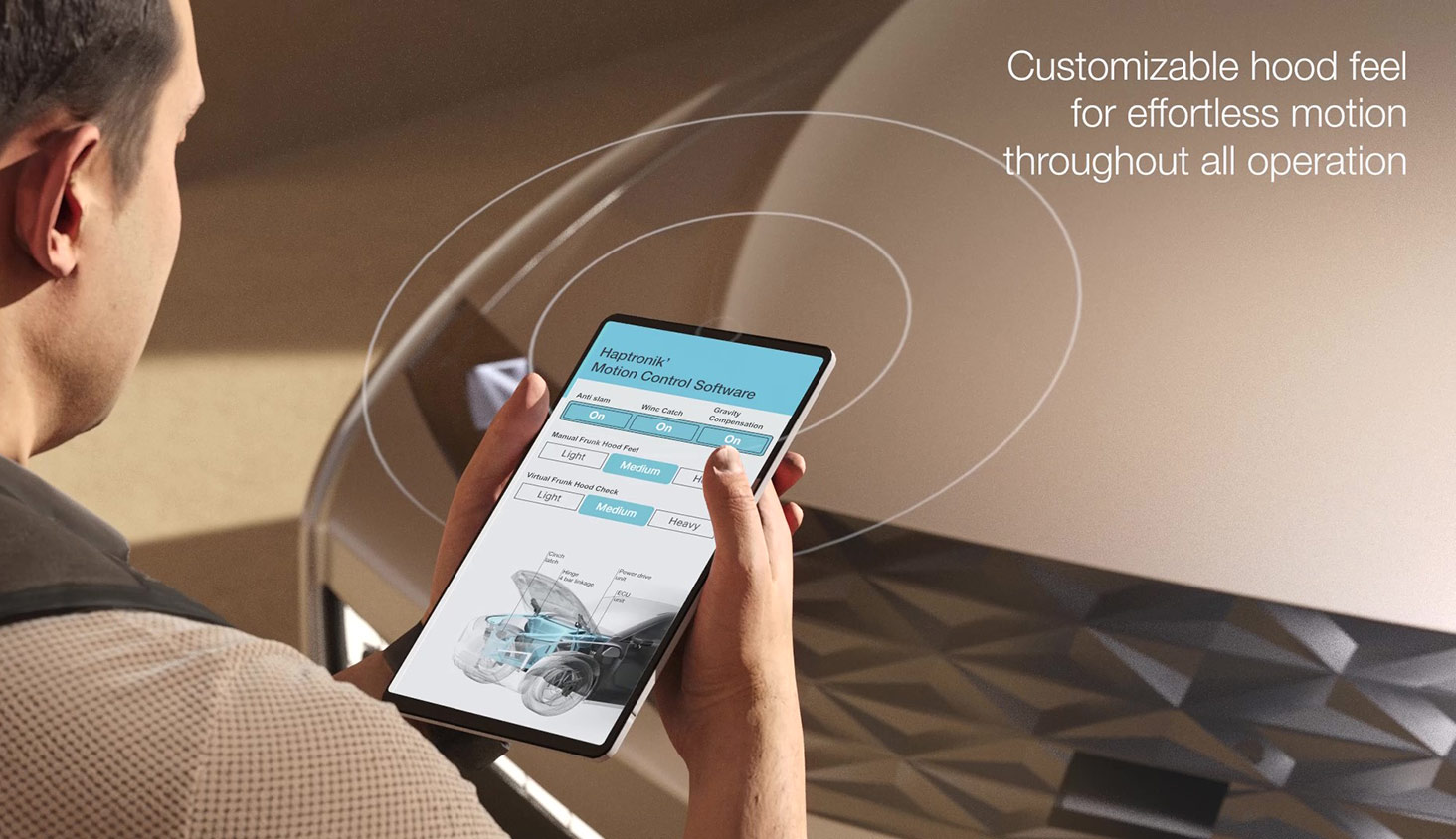
  • Motion control, layered obstacle detection and electronic latching make access behavior more configurable
  • Flexible interfaces let OEMs tailor the experience by program, segment and trim
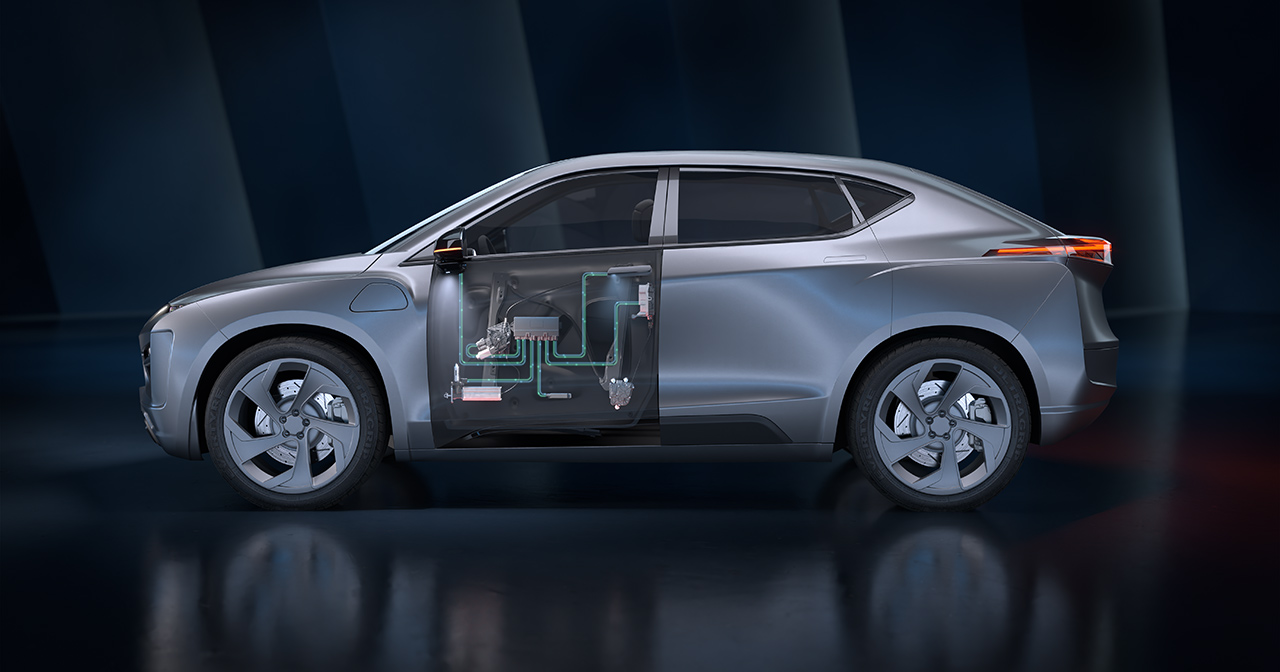
  • Centralized control connects access points through a scalable vehicle architecture

Vehicle access is becoming more electronic, more configurable, and more closely connected to the rest of the vehicle. But as automakers add powered doors, electronic latches, new sensing methods and more flexible user interfaces, one requirement remains constant: access systems still need to operate reliably when it matters most.

That balance is getting more attention from regulators. China is expected to require mechanically operable interior and exterior door handles on new vehicles beginning in 2027, a UNECE working group is studying emergency door-opening requirements, and the proposed SAFE Exit Act has advanced through committee in the U.S.

The rules differ by market, but they point to the same challenge: the mechanical foundation, electronics, sensing and software must work together without limiting design freedom or adding unnecessary complexity.

These five shifts show how a more integrated approach can help automakers create distinct access experiences that scale across vehicle platforms.

Building One Access System

Motion control shapes how a closure moves. Radar and software monitor for obstacles. Electronic latching coordinates door functions, while configurable interfaces give customers different ways to interact. Centralized control ties those pieces into the vehicle architecture.

Magna brings those mechanical, electronic and software layers together across front, side and rear applications. Developing them as one system can reduce interface complexity, surface integration issues earlier and create a foundation that can be reused across vehicle programs.

For automakers, the value is: consistent behavior, a distinct vehicle feel and scalable features without treating every access point as a separate engineering challenge. The mechanical fundamentals will always matter. Increasingly, the defining experience will come from how well everything around them works together.

Learn how Magna's mechatronics technologies are helping shape the future of vehicle access. Visit https://www.magna.com/products/exterior-interior/mechatronics.

Head shot of Francesco Cumbo, Director of Technology, Global Engineering Advanced Product Development – Mechatronics

Francesco Cumbo

Francesco Cumbo holds advanced degrees in engineering from the University of Pisa and brings more than 25 years of experience in automotive engineering and product development. As Director of Technology for Global Engineering Advanced Product Development – Mechatronics at Magna, he leads the development of next-generation mechatronic systems and vehicle-access technologies.

FAQs

How is software changing vehicle access?

Software allows automakers to calibrate how powered closures move, interpret sensor signals, manage electronic latch functions and configure different customer interactions. It works with the mechanical system rather than replacing it.

How do powered doors detect obstacles?

Different technologies address different phases of door movement. Non-contact radar can monitor the door’s surroundings during travel, while software such as CODA analyzes latch-position signals during the final cinching phase.

What is an electronically controlled latch?

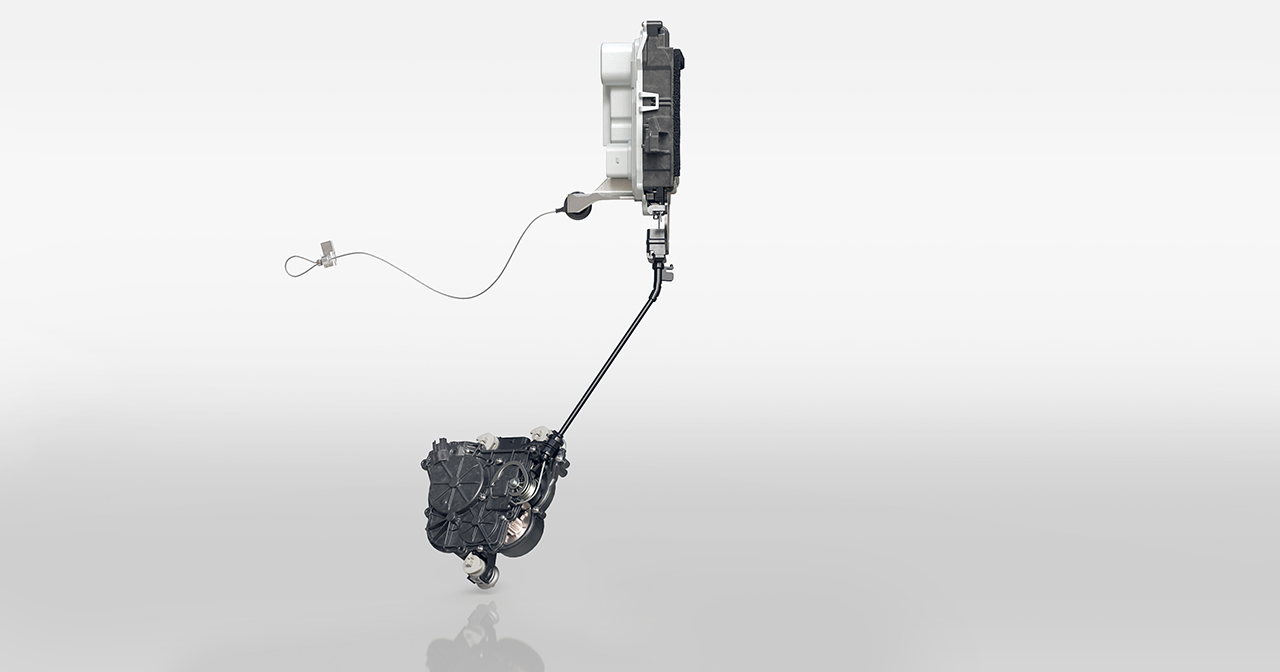
An electronically controlled latch uses an ECU to manage functions such as power release, central locking, child locking and power-door operation. A mechanical means of emergency operation can remain part of the overall system.

Why centralize vehicle-access functions in one ECU?

Centralized control allows windows, mirrors, handles, latches and powered closures to operate within a more common architecture. This can reduce wiring complexity and make it easier to scale feature content across trims and vehicle platforms.

What is Magna SmartAccess™?

SmartAccess™ is Magna’s systems approach to vehicle access, bringing together mechanical components, power systems, sensing, ECUs and motion control software across front, side and rear access points./p

We want to hear from you

Send us your questions, thoughts and inquiries or engage in the conversation on social media.

Related Stories

DHD DUO: A Scalable Hybrid Architecture for a Market That Demands Flexibility

Article

Beyond One-Size-Fits-All: A Scalable Approach to Range Extenders

Article

Beyond the Specs: How Systems Thinking is Reshaping EV Design

Article

Bridging the Gap: Hybrids and the Road to Electrification

Article

Stay connected

You can stay connected with Magna News and Stories through email alerts sent to your inbox in real time.