4-min read
Inside the Mirror: 5 Integration Challenges Reshaping Driver Safety Systems
Driver awareness systems are rapidly evolving as vehicles incorporate more advanced safety features, monitoring capabilities, and driver assistance technologies. But the challenge for automakers is no longer just adding new functions — it’s integrating those functions without increasing cost, complexity, or packaging constraints inside the vehicle.
Modern vehicles must support driver monitoring, occupant detection, digital visibility, and advanced safety features while maintaining clean interior design, aerodynamic efficiency, and scalable electrical architectures. As these requirements grow, engineers are looking for locations in the vehicle that can support multiple functions at once rather than adding new hardware for every feature.
One place where this convergence is happening quickly is the vehicle mirror. Positioned in the driver’s natural line of sight and centrally located within the cabin, the mirror is becoming a practical integration point for visibility, monitoring, and sensing technologies that support next-generation awareness systems.
Below are five critical challenges automakers encounter – and how the vehicle mirror is emerging as a pivotal solution:
More Awareness Requirements, Less Space to Add Hardware
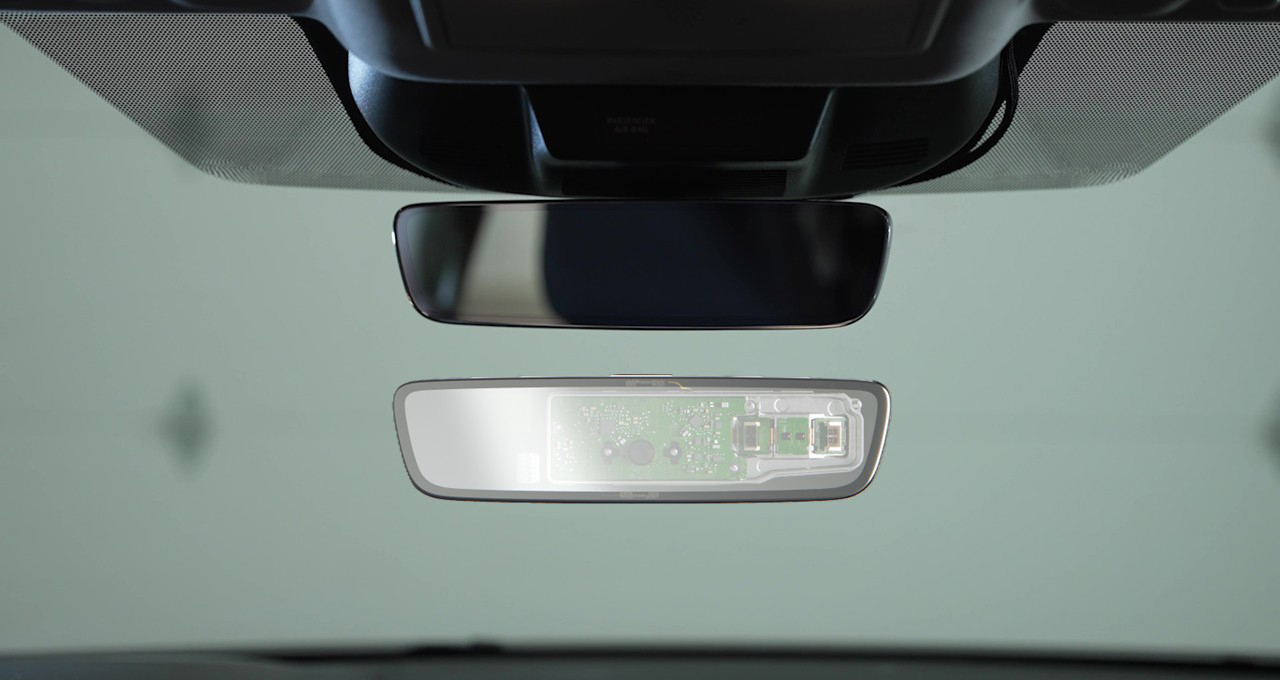
Feature integration into rearview mirrors is a flexible, scalable approach to adding driver and cabin sensing capabilities without the need for additional visible hardware to the interior.
Driver awareness requirements continue to grow as safety ratings, regulations, and advanced driver assistance features evolve. Driver monitoring, occupant sensing, and interior cabin detection systems all require clear visibility of the driver and passengers.
The interior mirror provides a natural line of sight to both the driver and the cabin, making it an efficient location for camera-based monitoring without introducing additional components. Integrating sensing functions near the mirror allows automakers to add new capabilities while preserving interior space and maintaining a clean cockpit layout.
Visibility Expectations Have Expanded Beyond Traditional Mirrors
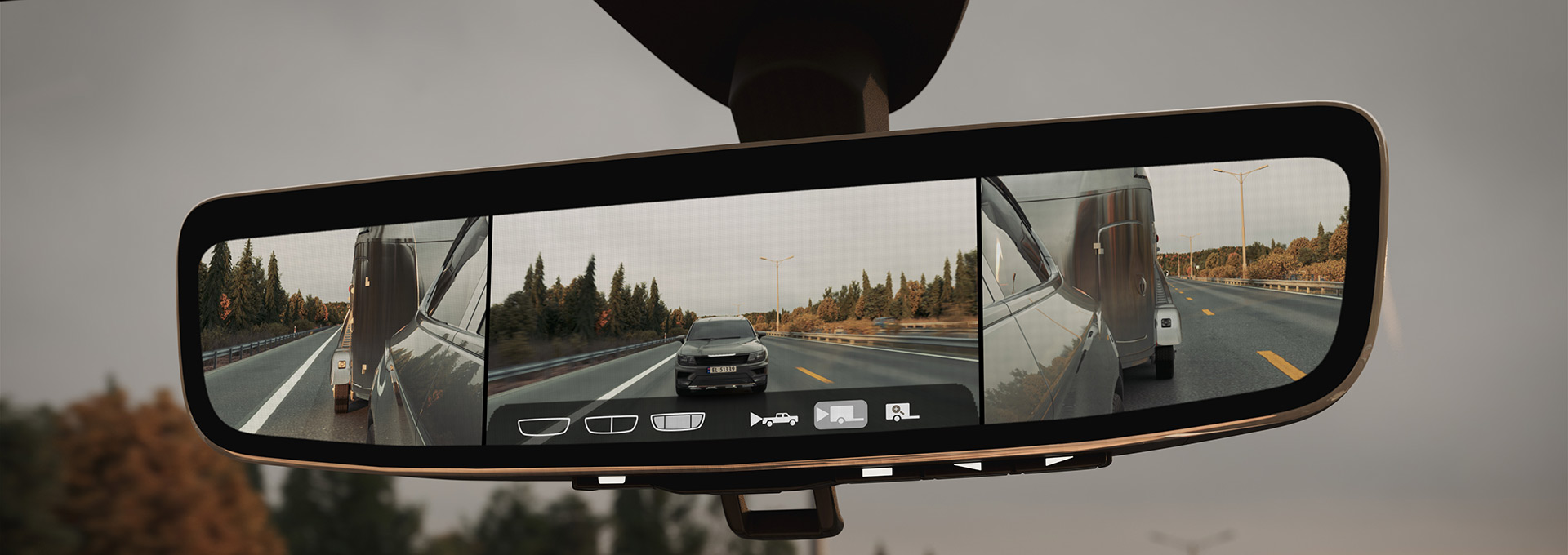
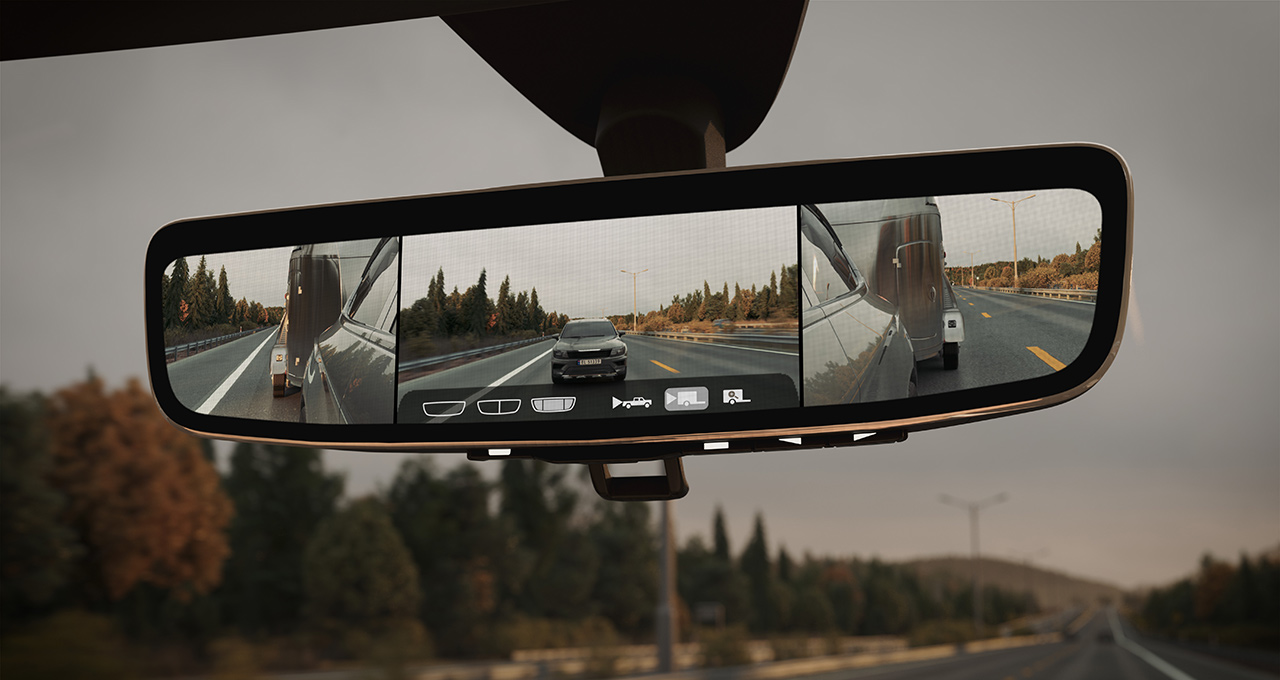
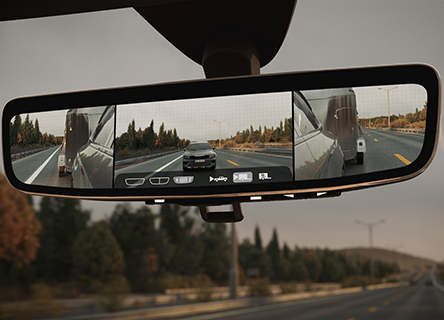
Video mirror systems provide wider, unobstructed views while supporting multiple camera inputs.
Drivers now expect clear visibility in diverse conditions, from towing trailers to carrying cargo or navigating in low-light conditions. Traditional reflective mirrors can be limited by vehicle design, passenger placement, or load configurations.
Video rear-view mirror systems allow drivers to switch between reflective and camera-based views, providing a wider field of vision and reducing blind spots. Multi-image displays can also support additional camera feeds, giving drivers better awareness without adding separate screens.
By building these capabilities into the mirror location, automakers can expand visibility functions without redesigning the cockpit or increasing display clutter. This consolidation streamlines interior design while delivering superior visibility.
Exterior Design, Aerodynamics and Efficiency are Changing Mirror Requirements
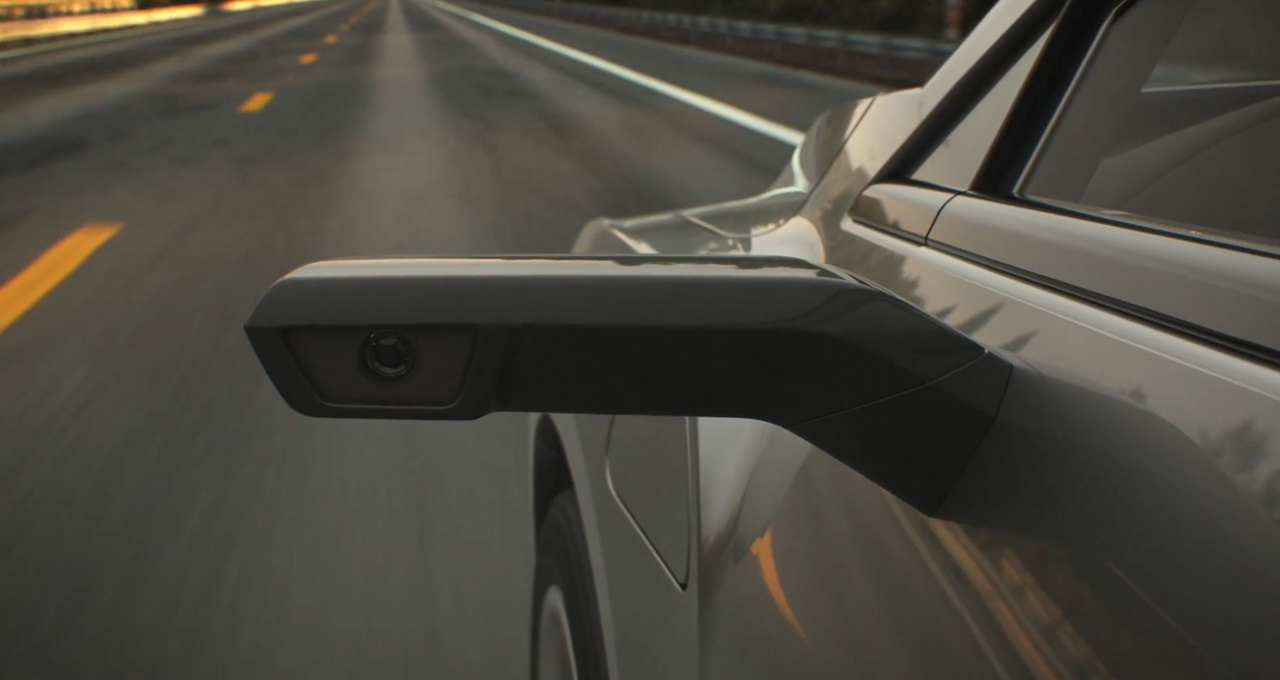
Camera monitoring systems improve visibility while supporting aerodynamic and styling goals.
Exterior mirrors must balance visibility, styling, and aerodynamic performance — a challenge that becomes more critical as vehicles target higher efficiency and lower drag.
Camera monitoring systems provide an alternative by replacing traditional exterior mirrors with compact camera units that deliver a wider viewing angle while reducing aerodynamic impact. As regulations evolve to allow video mirror replacements in more markets, these systems are becoming a practical way to improve both efficiency and driver awareness.
Inside the vehicle, the mirror location remains a natural place to display camera-based views, allowing mirror-based digital vision platforms to integrate with familiar driver controls and sightlines.
Safety Systems Now Need to Understand the Entire Cabin
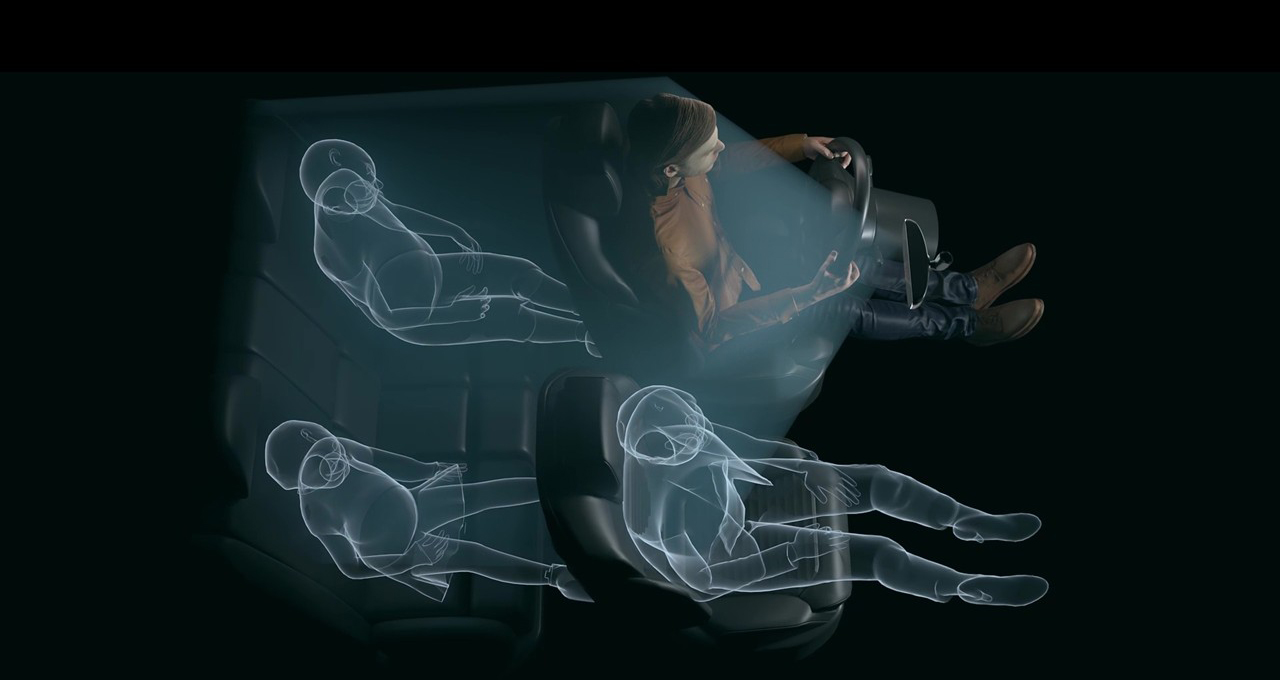
Occupant monitoring technology helps enable advanced safety features across the vehicle interior.
Modern safety systems must do more than monitor the road. They also need to understand what is happening inside the vehicle to support features such as driver readiness detection, child presence alerts, adaptive airbag deployment, and advanced driver assistance functions.
These capabilities require cameras and sensors with a clear view of both the driver and passengers but adding separate modules for each function increases cost and complexity.
Because of its central position, the mirror provides one of the best vantage points in the cabin for monitoring both the driver and the interior. Integrating occupant and driver monitoring near this location allows multiple safety features to operate from a shared sensing point, helping reduce hardware duplication while supporting more advanced functionality.
The Real Challenge: Adding Features Without Adding Complexity
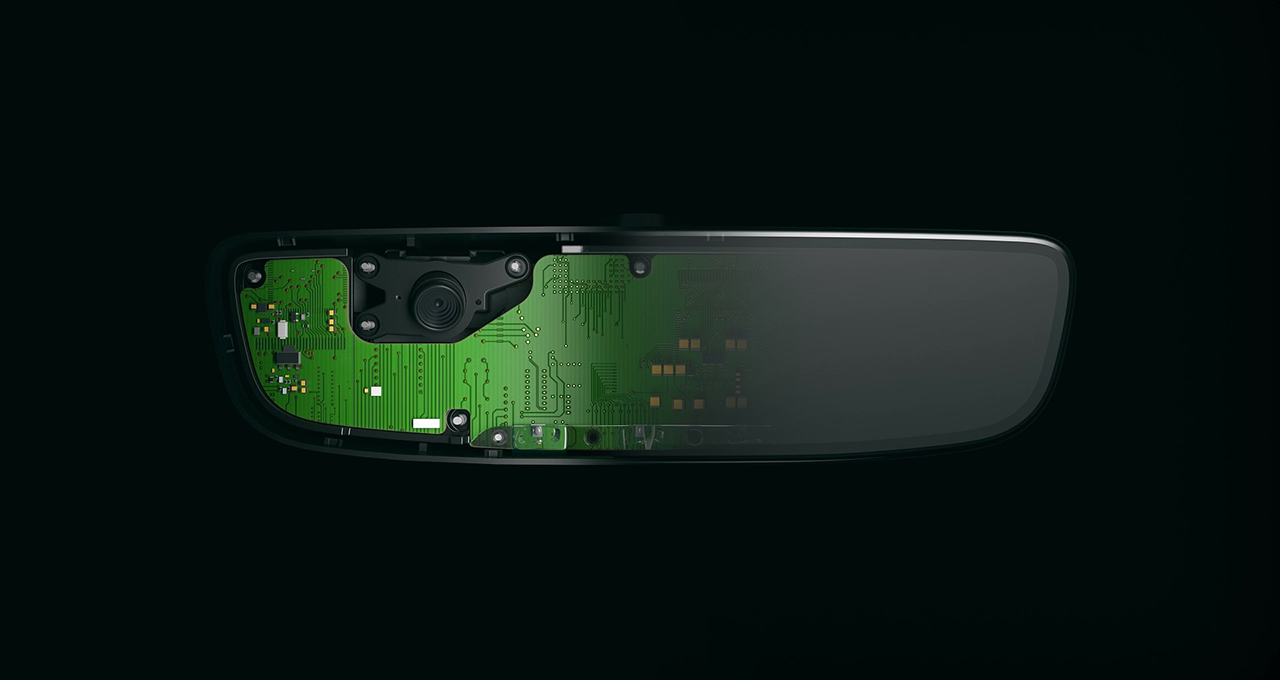
Mirror-based digital vision platforms allow multiple visibility and monitoring functions to scale across vehicle programs.
As vehicles add more awareness, safety, and driver assistance features, the biggest challenge for automakers is managing system complexity. Each addition introduces new sensors, control units, wiring, and software integration, making it harder to scale features across different trims, regions, and vehicle platforms.
Combining multiple sensors and electronics into a single integration point helps reduce packaging constraints and supports more consistent system architectures.
Mirror-based digital vision platforms make it possible to bring together driver monitoring, occupant sensing, video mirrors, and camera monitoring systems in one location. This approach allows manufacturers to configure features based on program requirements while maintaining a common hardware and software foundation.
Why This Matters for Automakers
As vehicles become more connected, automated, and feature-rich, improving safety and awareness will depend less on adding individual components and more on integrating systems intelligently.
The mirror’s position, visibility, and familiarity make it one of the most effective locations for combining outward visibility, driver monitoring, and interior cabin sensing into a single scalable architecture. What was once a simple reflective component is now evolving into a configurable platform that supports digital vision, monitoring, and next-generation safety technologies.
Learn how Magna’s help automakers add advanced safety and sensing features without increasing interior complexity.

We want to hear from you
Send us your questions, thoughts and inquiries or engage in the conversation on social media.
Related Stories
5-min read
ClearView™ Vision System: One Platform, Four Ways to See More
Read story
5-min read
Why AI Success Starts with Business Value and Process Redesign
Read storyStay connected
You can stay connected with Magna News and Stories through email alerts sent to your inbox in real time.