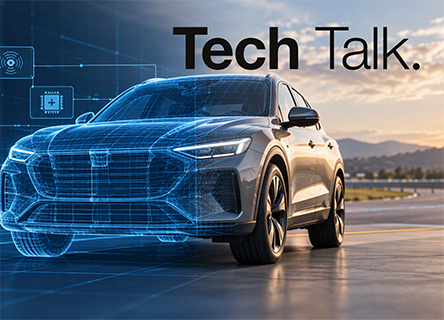
4-min read

AI: Limitless Possibilities without Anxiety
One of the consistencies of humankind is the anxiety generated by breakthrough technologies. A hundred years ago, radio was feared by some as a polluter of minds. The same was said about television in the Fifties. Even the development of the printing press, more than 500 years ago, raised fears about peoples’ capabilities to cope with the influx of all that printed data.
Today, our tech-induced anxiety is centered on Artificial Intelligence – and with the recent explosion of generative AI capabilities, some fear that AI may replace humans in just about every job or role in society. And, thanks largely to sci-fi entertainment, some people are wary that AI might just do away with humanity altogether.
The truth is AI is just another tool. It may be our most sophisticated yet, but it’s a tool, nonetheless. In fact, we’ve been living with it, and it’s been changing our daily lives, for quite some time.

Vision systems in our vehicles use AI to classify objects to help make driving safer. The popular Roomba robotic vacuum also uses AI technology to detect objects, while Alexa’s responses to our requests to stream our favorite songs or tell us the most groan-inducing dad jokes are all based on artificial intelligence. The same goes for the autocorrect function of our smartphones — and we all know there’s some work to be done there when it comes to foreign words, acronyms, proper nouns, and other frustrating correction mistakes.
AI is also changing the auto industry, with the potential to further enhance manufacturing operations to elevate product quality and efficiency while reducing risk, warranty issues and downtime. And its advantages extend beyond manufacturing to include business processes, including human resources, supply-chain management, finance and more. Given the fast pace of change in generative AI capabilities, we continue exploring the best ways to unlock AI’s potential but see virtually endless possibilities.
With its ability to process vast amounts of data, analyze complex patterns, and make autonomous decisions, AI has the potential to be the foundation for the next industrial revolution. That means we must be active participants in helping shape the future of the auto industry, rather than mere passive observers. Our commitment to harnessing this powerful tool means more than simply improving our bottom line — it's about driving progress, fostering sustainable practices, and enhancing the lives of people around the globe.
Today, we are laying the groundwork for a future where the synergy between human and machine leads to unprecedented levels of innovation and excellence. We are excited to steer this journey, pushing the boundaries of imagination and turning the limitless possibilities of AI into tangible realities that benefit everyone.
Nevertheless, it’s important to maintain a healthy perspective. AI is at its core a tool and one we’ve already been living with every day. The anxiety associated with it is understandable, but just like radio, television and even the printed word, it’s a technology designed to complement our lives and make them better — even if it still has a way to go on those pesky auto-corrections.
We want to hear from you
Send us your questions, thoughts and inquiries or engage in the conversation on social media.
Related Stories
5-min read
5 Technology Shifts Reshaping Vehicle Access
Read story
4-min read
The Real Challenge of Software-Defined Vehicles Isn’t Software
Read storyStay connected
You can stay connected with Magna News and Stories through email alerts sent to your inbox in real time.