4-min read

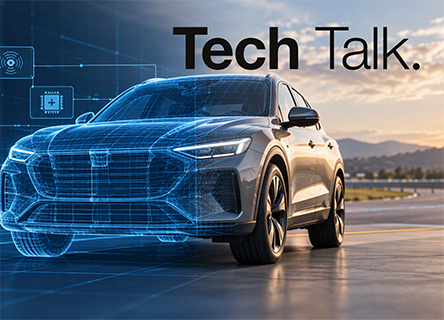
AI is Rewriting the Blueprint for Vehicle Architecture
From basic wiring to multimodal climate control systems and ADAS sensors, electrical and electronic (E/E) components have long been central to vehicle architecture. But as innovation accelerates across the mobility sector—and AI becomes increasingly embedded in vehicle performance and manufacturing—traditional approaches to designing and scaling E/E systems are reaching their limits.
There are two key reasons for this shift. First, the pace of technological advancement has outstripped the industry’s legacy model of incremental improvement. Second, traditional E/E architectures are typically decentralized and siloed, which worked well when hardware was the primary focus. Today, however, the integration of software-based components, especially in EVs, ADAS, and autonomous systems—demands a systems-level approach.
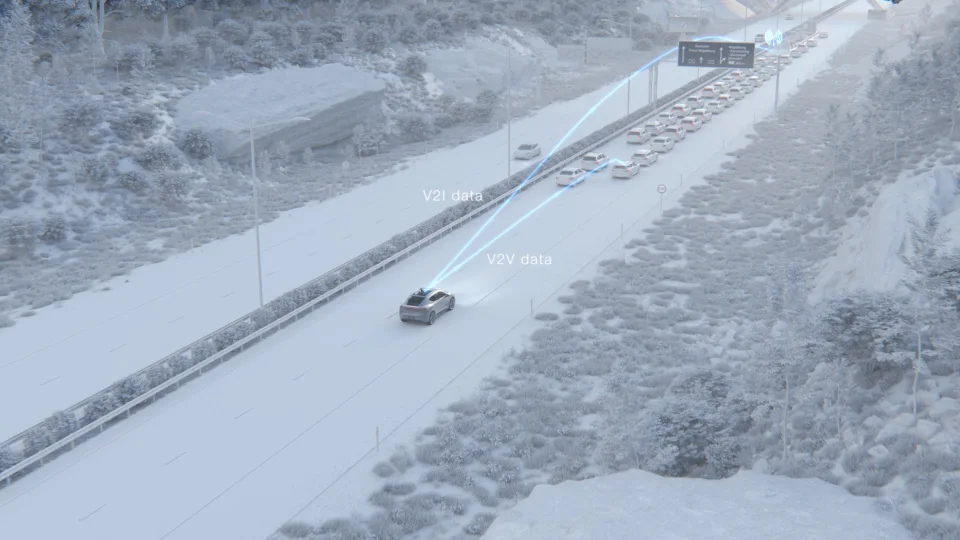
This shift toward centralized architecture is enabling smarter compute strategies. Rather than relying on multiple control units to process tasks independently, automakers are designing unified systems with fewer, more powerful computing units. These are connected via a shared network and powered by AI algorithms that process data across domains, enable real-time software updates, and reduce component costs while improving performance.

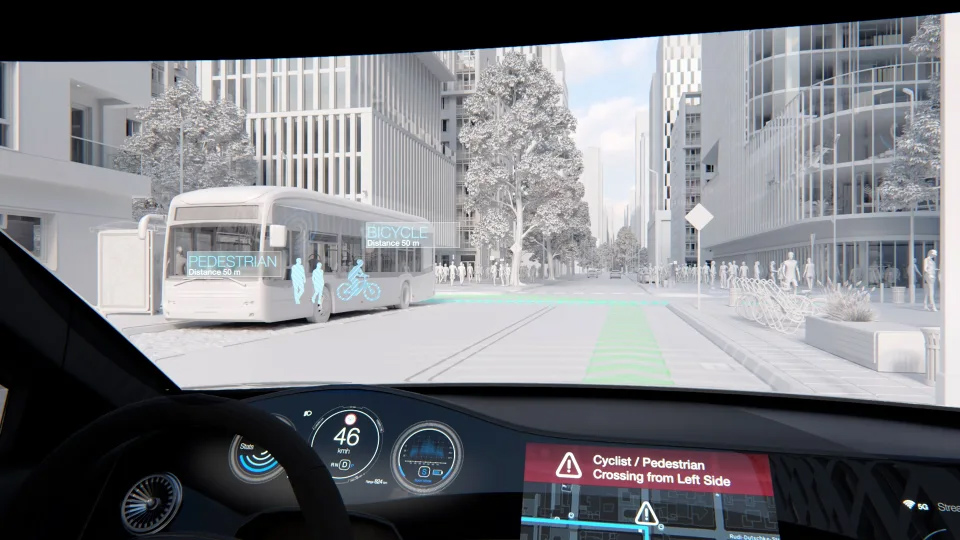
AI is also driving breakthroughs in sensor fusion, which consolidates data from LiDAR, cameras, and radar into a single, cohesive system. By using predictive modeling and simulation tools early in the design phase, automakers can improve detection accuracy, reduce processing demands, and streamline validation. In Magna’s own testing, centralized sensor data processing paired with machine-learning algorithms enabled 360-degree detection and dynamic object intent prediction—boosting both reliability and safety.
This systems-level approach is also helping automakers tackle one of the most complex challenges in modern vehicle design: energy optimization in EVs. Since nearly all operational components are integrated within the E/E system, including the powertrain, efficient and intelligent energy distribution is essential. AI-powered control systems now use historical and contextual data to allocate power based on real-time needs and predict future consumption with increasing accuracy. This not only improves range and efficiency but also enhances the overall driving experience.
Beyond performance gains, centralized architectures supported by AI are also streamlining manufacturing and validation processes. By simulating entire vehicle systems early in development, automakers can identify integration issues before physical prototypes are built. This reduces time-to-market, lowers costs, and improves quality assurance across the board.
Importantly, these advancements are not just theoretical. They’re already being implemented in next-generation platforms, where centralized compute, sensor fusion, and intelligent energy management are becoming standard. The result is a more scalable, flexible, and future-ready vehicle architecture—one that can adapt to evolving consumer demands, regulatory requirements, and technological breakthroughs.
We want to hear from you
Send us your questions, thoughts and inquiries or engage in the conversation on social media.
Related Stories
5-min read
5 Technology Shifts Reshaping Vehicle Access
Read story
4-min read
The Real Challenge of Software-Defined Vehicles Isn’t Software
Read storyStay connected
You can stay connected with Magna News and Stories through email alerts sent to your inbox in real time.