
4-min read
Cybersecurity Moves to the Frontline of Smart Manufacturing
Cybersecurity in manufacturing was once a background function or "air gap" — essential, but rarely visible. That era is over. As factories become software‑defined and globally connected, cybersecurity doesn’t just protect operations — it enables them.
Modern production lines are awash with sensors, robotics, and AI-powered analytics. Cloud platforms bring remote monitoring and predictive maintenance across the globe. None of this works if the data can’t be trusted. Robust cybersecurity doesn’t block progress — it powers it.
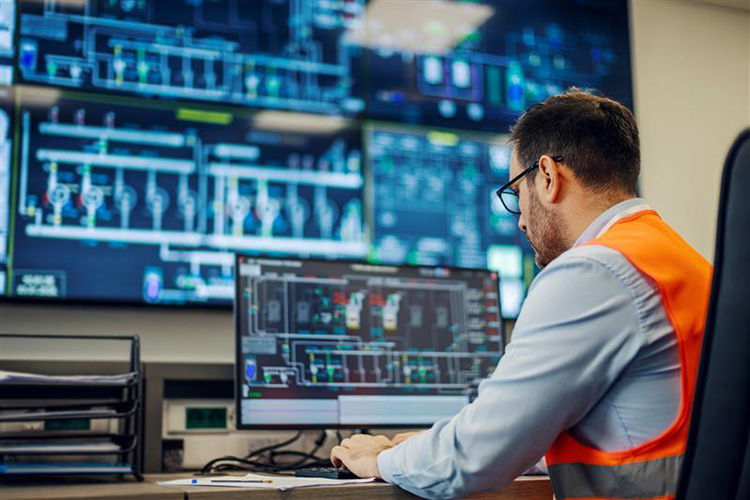
In predictive maintenance environments, integrity is everything. When thousands of devices stream telemetry across global networks, a single compromised signal can distort models, interrupt output, or —worse — lead to unsafe conditions. Forward‑thinking manufacturers now integrate secure data transmission and authenticated device identity into their analytics stacks, ensuring that only trusted signals shape decisions.
As the vehicle becomes a distributed computing platform, security can no longer be isolated to a single team. It must be engineered into the product lifecycle — from concept to decommissioning. Braking, steering, and lane‑keeping systems are all governed by software, and if that software is vulnerable, the stakes are incredibly high.
Cybersecurity is moving from the IT department to plant operations and the engineering floor. It is becoming a shared responsibility, built into products from the outset rather than added afterward.
Governments and regulators are rolling out cybersecurity requirements for manufacturers, especially in sectors tied to public safety and national security. Regulations — like NIS-2, R155/R156, CMMC, CPCSC and MLPS in China — are raising the minimum standard. Cybersecurity leaders aren’t aiming for the minimum. They’re using cybersecurity as a differentiator and a competitive advantage.
Manufacturers are recognizing that resilience is now a core business capability. In environments where production is measured in seconds and downtime in millions, cybersecurity isn’t overhead — it is operational stability.
Smart manufacturing is only as smart as it is secure. The organizations that embed security into every layer — technology, process, and product — will be the ones shaping what comes next.

We want to hear from you
Send us your questions, thoughts and inquiries or engage in the conversation on social media.
Related Stories
5-min read
5 Technology Shifts Reshaping Vehicle Access
Read story
4-min read
The Real Challenge of Software-Defined Vehicles Isn’t Software
Read storyStay connected
You can stay connected with Magna News and Stories through email alerts sent to your inbox in real time.