Scrollable Template
AI-Enabled Factory Orchestration: Intelligence Behind the Scenes
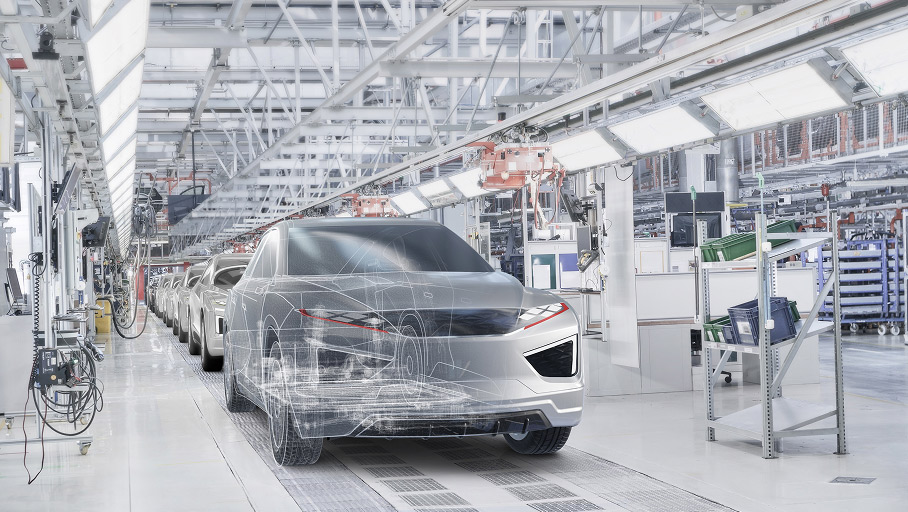
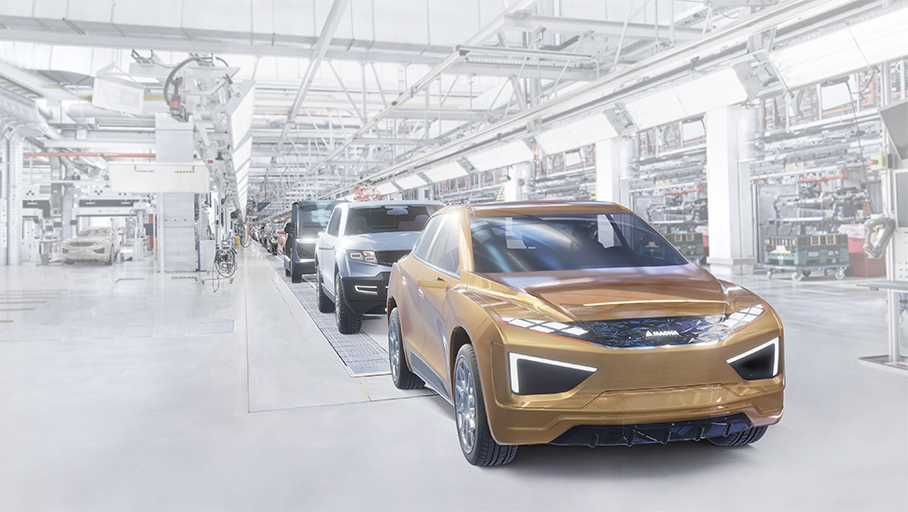
A unified factory depends on more than what happens on the floor — it requires clarity and coordination behind it. AI-enabled factory orchestration enhances planning, scheduling, reporting, and communication across teams.
What this looks like:
- Dynamic scheduling based on real-time data
- Identification of bottlenecks and production conflicts
- Optimized resource allocation
- Less manual reporting, more time for problem-solving
The goal isn’t automation for its own sake. It’s about giving teams clearer insight, reducing repetitive administrative tasks, and enabling faster, data-informed decisions that strengthen the entire manufacturing system.
Smart Sustainability: AI That Helps Teams Reduce Waste and Energy
Smart Sustainability — Magna’s global utility intelligence platform — brings ML to energy management across operations. It creates a unified view of how each facility consumes energy, water, compressed air and industrial gases, and helps teams make data-informed decisions about efficiency.
What the platform provides:
- Streaming utility data from equipment across facilities
- ML-driven forecasting for usage and cost per part
- Alerts for anomalies or potential leaks
- Centralized dashboards enable teams to monitor performance
These insights strengthen decisions on lighting conversions, equipment upgrades, water-reduction plans and digital twins for advanced energy modeling — all supporting Magna’s long-term sustainability goals.
Autonomous Mobile Robots: Moving Materials Safely, Continuously and Adaptively
Autonomous mobile robots (AMRs) are a key building block of Magna’s unified factory—moving materials safely, continuously, and adaptively.
Where AMRs make the difference:
- Safety: AMRs lower the risk of forklift-related incidents to employees
- Operational efficiency: Optimized routing reduces delays and cycle times
- Space utilization: Their compact form enables improved layout flexibility
- Scalability: Fleets can grow or shrink based on demand
- Data insights: Every trip generates information that improves planning and flow
They also reduce the need for employees to move heavy or awkward materials, helping protect long‑term health and ergonomics.
By automating repeatable movement, these systems support human material handlers and let people focus on higher value tasks. Integrated into production schedules and quality systems, they help build a more coordinated and predictable factory environment.
Condition-Based Monitoring: Predicting Equipment Issues Before They Happen
Downtime is never just downtime — it’s lost throughput, lost rhythm, and unnecessary pressure on production teams. Condition-based monitoring combats this by continuously analyzing manufacturing equipment data that measures vibration, temperature, pressure, and other indicators.
What it enables:
- Real-time performance data from equipment
- AI models that learn normal behavior
- Early alerts when patterns shift
- Opportunities to intervene before failures occur
Over time, the system becomes more accurate at recognizing subtle trends in equipment performance, paving the way for predictive and eventually autonomous maintenance. This gives maintenance teams clearer insight into where attention is needed most.
AI Vision Inspection: Steady Eyes on Quality
AI-powered vision inspection is raising the bar for quality control by augmenting human inspection. High-resolution cameras and machine learning (ML) work together to scan each product, identify surface irregularities in areas such as seating materials, and classify any defects by severity.
What it delivers:
- Automatic, repeatable inspection across shifts and facilities
- Faster detection and quicker feedback loops to engineers
- Real-time dashboards for data-informed decisions
- Scalability, since the same foundation extends to stamping, welding, paint, die casting, and other precision applications
Because Magna develops and owns key models where it drives differentiation, our teams can train and scale vision systems across new use cases without vendor constraints.
Front and Rear Parking Sensors
Must-Have Demand: 61% of prospective new car buyers say this feature is essential.
Why It Matters: Parking sensors reduce low-speed collisions and make tight urban parking less stressful. They’re especially valuable for new drivers and crowded environments.
Magna’s Contribution: Our camera and radar-based parking systems:
- Provide active guidance and assistance for safe maneuvering
- Deliver precise obstacle detection and avoidance with wide fields of view
- Enable Automated Park Assist, Autonomous Valet, and collision avoidance features
Power Front Driver's Seat
Must-Have Demand: 62% of prospective new car buyers won’t buy a vehicle without it.
Why It Matters: Comfort and adjustability are no longer luxuries—they’re expectations. Power seats support ergonomics, personalization, and convenience.
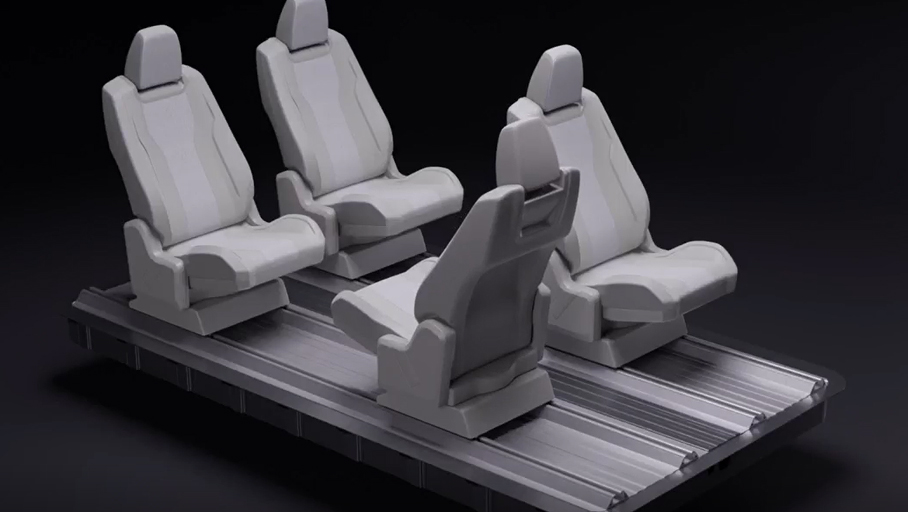
Magna’s Contribution: Magna’s power seat solutions and reconfigurable seating systems deliver:
- Multi-way adjustability and memory settings
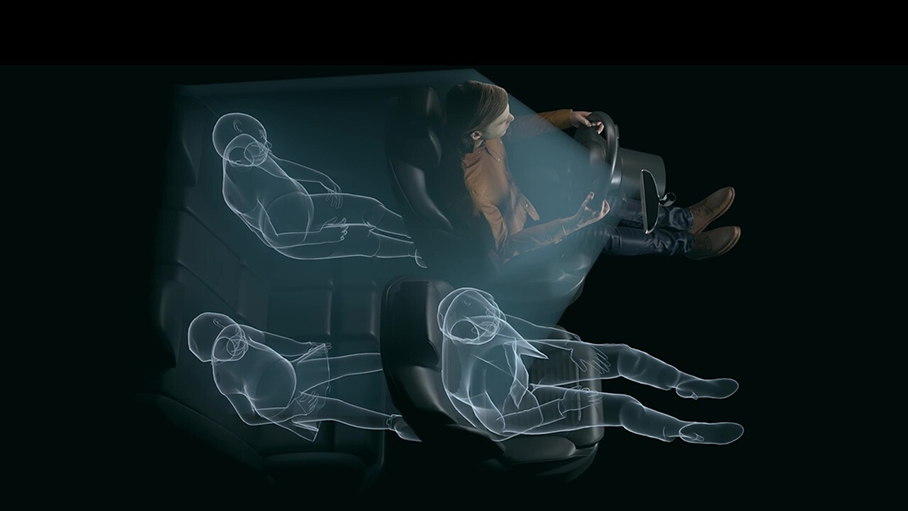
- Mechanisms such as swivel and long-rail enable flexible interiors
- Comfort to support a wide range of body shapes and sizes
Blind Spot Cameras
Must-Have Demand: 62% of prospective new car buyers say this feature is non-negotiable.
Why It Matters: As vehicles get bigger and traffic grows more complex, drivers want clearer visibility and fewer surprises. Blind-spot technologies—from simple alerts to full camera views—give drivers real-time awareness that boosts confidence and safety during lane changes.
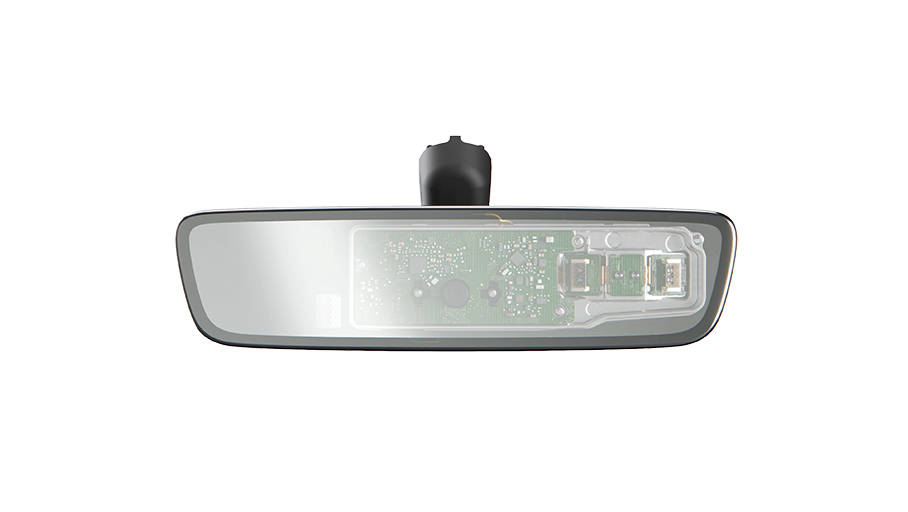
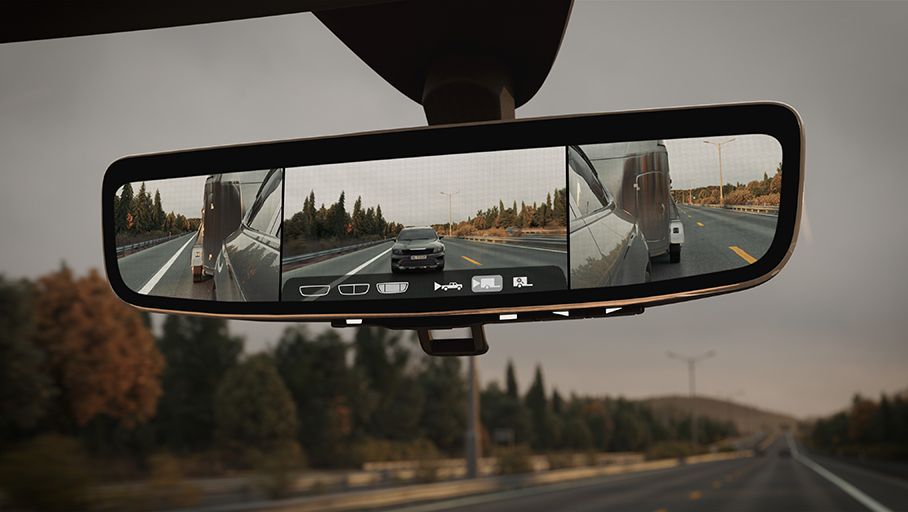
Magna’s Contribution: Magna offers a full range of blind-spot solutions, from mirror-integrated cameras to advanced ClearView™ systems. Our offerings provide:
- High-definition visuals through side-mirror and exterior camera modules
- Flexible options that scale from basic alerts to premium multi-view systems (including trailering and complex use cases)
- Smooth integration with ADAS platforms to extend situational awareness
All-Wheel Drive (AWD)
Must-Have Demand: 63% of prospective new car buyers who want AWD say they won’t buy a vehicle without it.
Why It Matters: AWD has evolved from a niche feature for off-roaders to a mainstream requirement for safety, traction, and performance. Whether navigating snowy roads in Michigan or wet highways in Seattle, consumers expect their vehicles to handle diverse conditions with confidence.
Magna's Contribution: Whether you’re powering your vehicle ahead on an ICE, Hybrid or BEV platform, Magna’s AWD systems are engineered for efficiency and adaptability. Our scalable solutions integrate seamlessly on all platforms, offering:
- Active torque management
- Enhanced traction control for all terrains
- Disconnect ability for highest efficiency when AWD is not needed
Revolutionizing Vehicle Engineering: Utilizing UI/UX Simulation to Streamline Development
In the automotive world, the significance of User Interface (UI) design is on the rise, revolutionizing vehicle interaction to make driving more intuitive, ergonomic and safe.
Driving Change: Discover Our Sustainable Materials Evolution
In today's automotive landscape, sustainability is not a trend, but a must. At Magna, we believe materials are a key lever in building the next generation of vehicles.
High Performance Compute Unit (HPCUs)
Our scalable High Performance Compute Unit solutions are designed to centralize sensor data processing and manage the AI and computational requirements of various ADAS features, enabling higher levels of vehicle autonomy from Level 2+ to Level 3. These compute units offer a future-proof solution with software maintenance and feature updates over-the-air, ensuring adaptability to OEM and customer needs.
AI-Enabled Factory Orchestration: Intelligence Behind the Scenes
A unified factory depends on more than what happens on the floor — it requires clarity and coordination behind it. AI-enabled factory orchestration enhances planning, scheduling, reporting, and communication across teams.
What this looks like:
- Dynamic scheduling based on real-time data
- Identification of bottlenecks and production conflicts
- Optimized resource allocation
- Less manual reporting, more time for problem-solving
The goal isn’t automation for its own sake. It’s about giving teams clearer insight, reducing repetitive administrative tasks, and enabling faster, data-informed decisions that strengthen the entire manufacturing system.
Smart Sustainability: AI That Helps Teams Reduce Waste and Energy
Smart Sustainability — Magna’s global utility intelligence platform — brings ML to energy management across operations. It creates a unified view of how each facility consumes energy, water, compressed air and industrial gases, and helps teams make data-informed decisions about efficiency.
What the platform provides:
- Streaming utility data from equipment across facilities
- ML-driven forecasting for usage and cost per part
- Alerts for anomalies or potential leaks
- Centralized dashboards enable teams to monitor performance
These insights strengthen decisions on lighting conversions, equipment upgrades, water-reduction plans and digital twins for advanced energy modeling — all supporting Magna’s long-term sustainability goals.
Autonomous Mobile Robots: Moving Materials Safely, Continuously and Adaptively
Autonomous mobile robots (AMRs) are a key building block of Magna’s unified factory—moving materials safely, continuously, and adaptively.
Where AMRs make the difference:
- Safety: AMRs lower the risk of forklift-related incidents to employees
- Operational efficiency: Optimized routing reduces delays and cycle times
- Space utilization: Their compact form enables improved layout flexibility
- Scalability: Fleets can grow or shrink based on demand
- Data insights: Every trip generates information that improves planning and flow
They also reduce the need for employees to move heavy or awkward materials, helping protect long‑term health and ergonomics.
By automating repeatable movement, these systems support human material handlers and let people focus on higher value tasks. Integrated into production schedules and quality systems, they help build a more coordinated and predictable factory environment.
Condition-Based Monitoring: Predicting Equipment Issues Before They Happen
Downtime is never just downtime — it’s lost throughput, lost rhythm, and unnecessary pressure on production teams. Condition-based monitoring combats this by continuously analyzing manufacturing equipment data that measures vibration, temperature, pressure, and other indicators.
What it enables:
- Real-time performance data from equipment
- AI models that learn normal behavior
- Early alerts when patterns shift
- Opportunities to intervene before failures occur
Over time, the system becomes more accurate at recognizing subtle trends in equipment performance, paving the way for predictive and eventually autonomous maintenance. This gives maintenance teams clearer insight into where attention is needed most.
AI Vision Inspection: Steady Eyes on Quality
AI-powered vision inspection is raising the bar for quality control by augmenting human inspection. High-resolution cameras and machine learning (ML) work together to scan each product, identify surface irregularities in areas such as seating materials, and classify any defects by severity.
What it delivers:
- Automatic, repeatable inspection across shifts and facilities
- Faster detection and quicker feedback loops to engineers
- Real-time dashboards for data-informed decisions
- Scalability, since the same foundation extends to stamping, welding, paint, die casting, and other precision applications
Because Magna develops and owns key models where it drives differentiation, our teams can train and scale vision systems across new use cases without vendor constraints.
Front and Rear Parking Sensors
Must-Have Demand: 61% of prospective new car buyers say this feature is essential.
Why It Matters: Parking sensors reduce low-speed collisions and make tight urban parking less stressful. They’re especially valuable for new drivers and crowded environments.
Magna’s Contribution: Our camera and radar-based parking systems:
- Provide active guidance and assistance for safe maneuvering
- Deliver precise obstacle detection and avoidance with wide fields of view
- Enable Automated Park Assist, Autonomous Valet, and collision avoidance features
Power Front Driver's Seat
Must-Have Demand: 62% of prospective new car buyers won’t buy a vehicle without it.
Why It Matters: Comfort and adjustability are no longer luxuries—they’re expectations. Power seats support ergonomics, personalization, and convenience.
Magna’s Contribution: Magna’s power seat solutions and reconfigurable seating systems deliver:
- Multi-way adjustability and memory settings
- Mechanisms such as swivel and long-rail enable flexible interiors
- Comfort to support a wide range of body shapes and sizes
Blind Spot Cameras
Must-Have Demand: 62% of prospective new car buyers say this feature is non-negotiable.
Why It Matters: As vehicles get bigger and traffic grows more complex, drivers want clearer visibility and fewer surprises. Blind-spot technologies—from simple alerts to full camera views—give drivers real-time awareness that boosts confidence and safety during lane changes.
Magna’s Contribution: Magna offers a full range of blind-spot solutions, from mirror-integrated cameras to advanced ClearView™ systems. Our offerings provide:
- High-definition visuals through side-mirror and exterior camera modules
- Flexible options that scale from basic alerts to premium multi-view systems (including trailering and complex use cases)
- Smooth integration with ADAS platforms to extend situational awareness
All-Wheel Drive (AWD)
Must-Have Demand: 63% of prospective new car buyers who want AWD say they won’t buy a vehicle without it.
Why It Matters: AWD has evolved from a niche feature for off-roaders to a mainstream requirement for safety, traction, and performance. Whether navigating snowy roads in Michigan or wet highways in Seattle, consumers expect their vehicles to handle diverse conditions with confidence.
Magna's Contribution: Whether you’re powering your vehicle ahead on an ICE, Hybrid or BEV platform, Magna’s AWD systems are engineered for efficiency and adaptability. Our scalable solutions integrate seamlessly on all platforms, offering:
- Active torque management
- Enhanced traction control for all terrains
- Disconnect ability for highest efficiency when AWD is not needed
Revolutionizing Vehicle Engineering: Utilizing UI/UX Simulation to Streamline Development
In the automotive world, the significance of User Interface (UI) design is on the rise, revolutionizing vehicle interaction to make driving more intuitive, ergonomic and safe.
Driving Change: Discover Our Sustainable Materials Evolution
In today's automotive landscape, sustainability is not a trend, but a must. At Magna, we believe materials are a key lever in building the next generation of vehicles.
High Performance Compute Unit (HPCUs)
Our scalable High Performance Compute Unit solutions are designed to centralize sensor data processing and manage the AI and computational requirements of various ADAS features, enabling higher levels of vehicle autonomy from Level 2+ to Level 3. These compute units offer a future-proof solution with software maintenance and feature updates over-the-air, ensuring adaptability to OEM and customer needs.