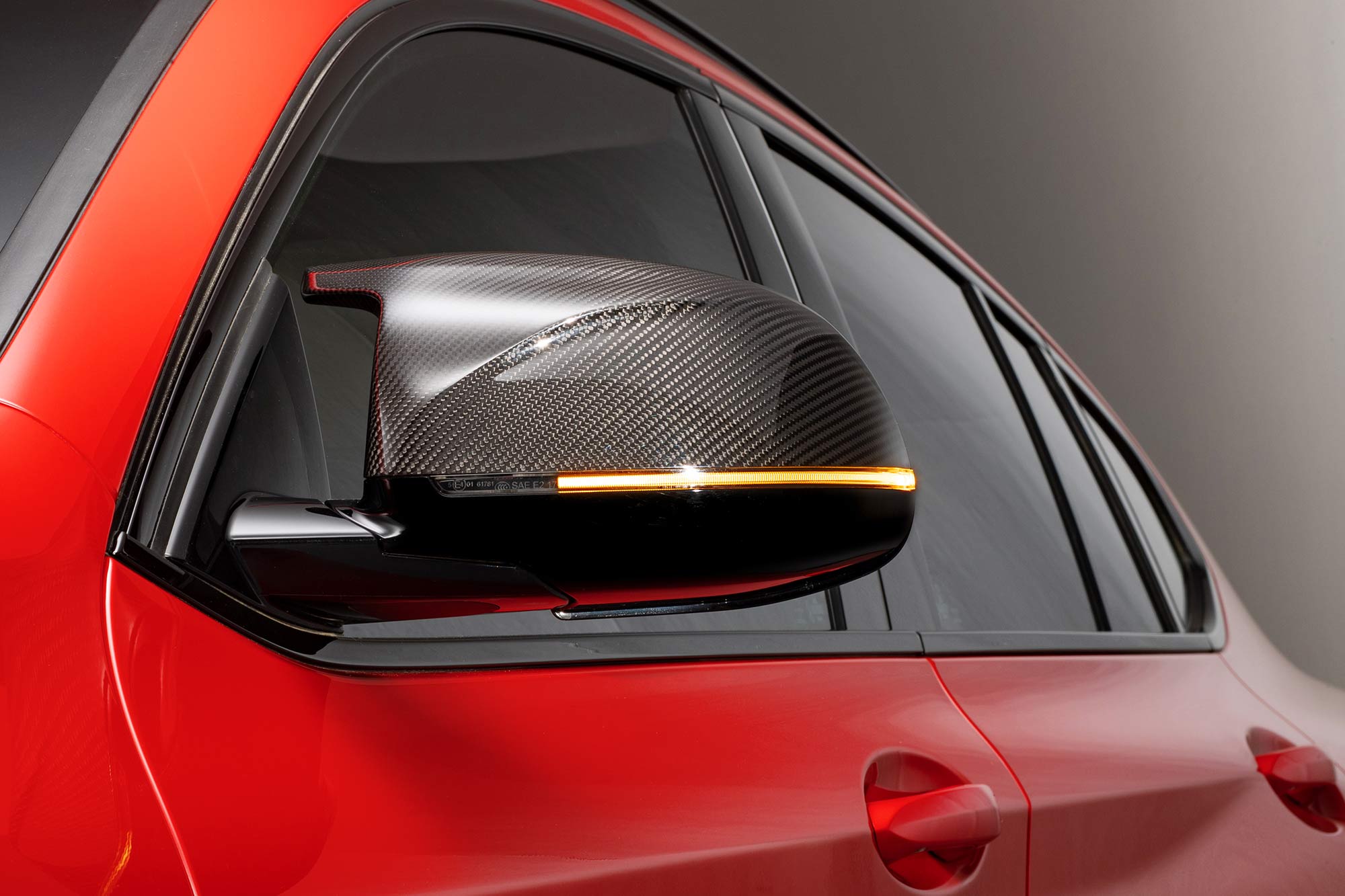


Mirrors-&-Overhead-Consoles-Page-Banner-BMW-X4M-OSM-carbon-fiber-01

Mirrors

Enhancing safety and visibility with intelligent Mirror Technology and advanced Vision Systems

What defines Magna’s expertise in Vision Systems?

A dark icon of a car viewed from above, centered within circular radar-like lines, symbolizing vehicle sensing or autonomous driving technology.

Advanced mirror and vision portfolio

  • Integration of cameras, sensors and displays into interior and exterior mirror systems
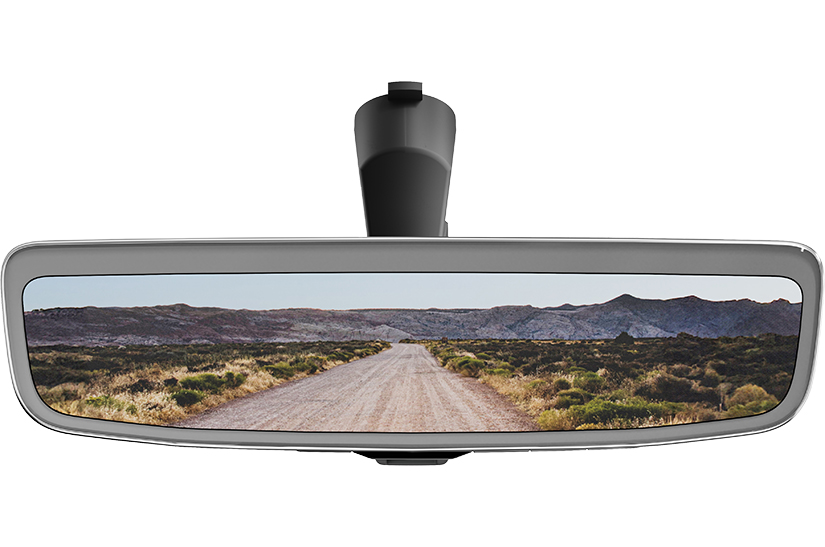
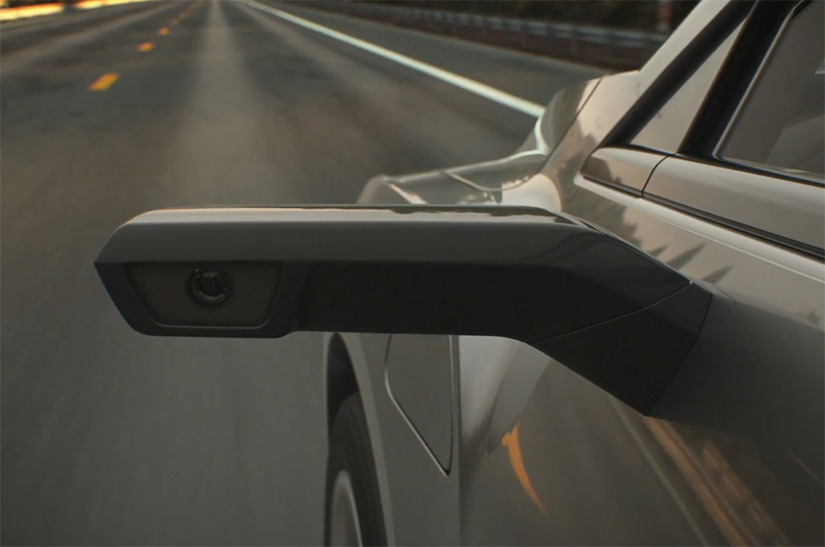
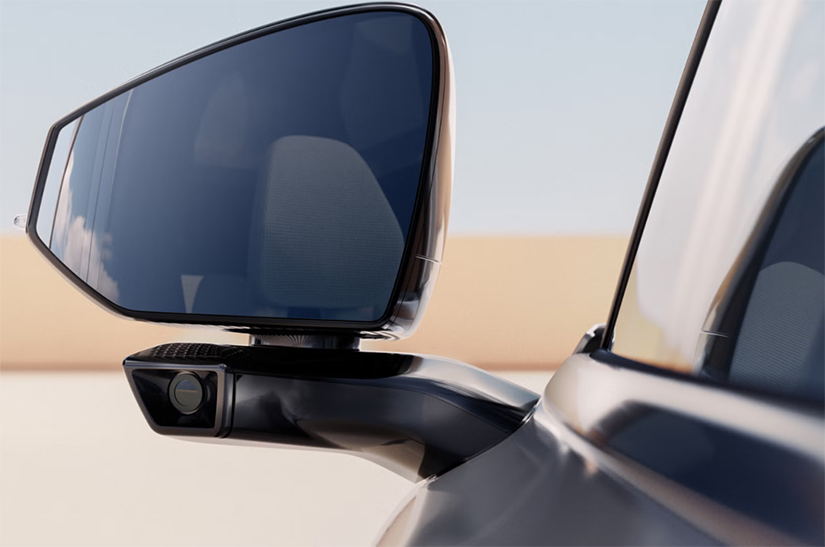
  • Camera based mirror technologies and video displays enabling visibility, monitoring and safety functions
  • Solutions designed for diverse vehicle architectures

Icon of a car silhouette with connected lines and nodes inside a circle, symbolizing automotive technology or smart car systems.

Innovative mirror features

  • Enhanced visibility with frameless mirrors that improve forward sightlines
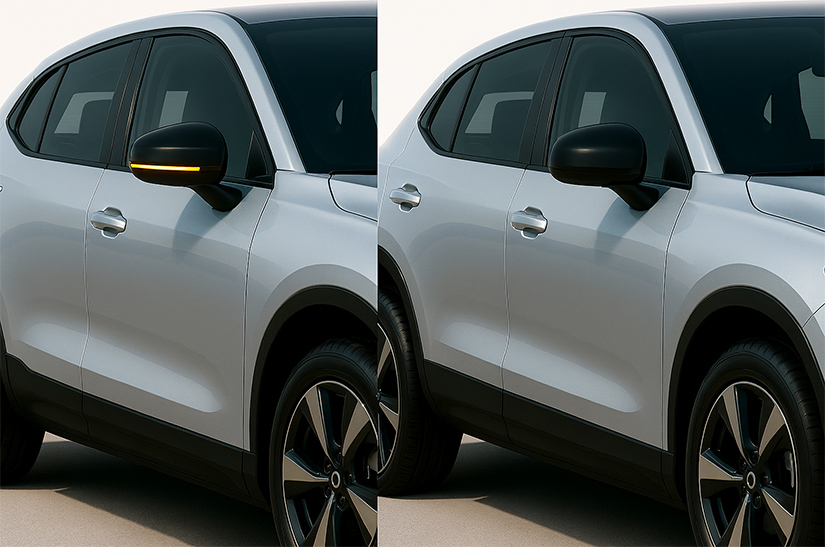
  • Integrated signal technology for a clean appearance and increased safety
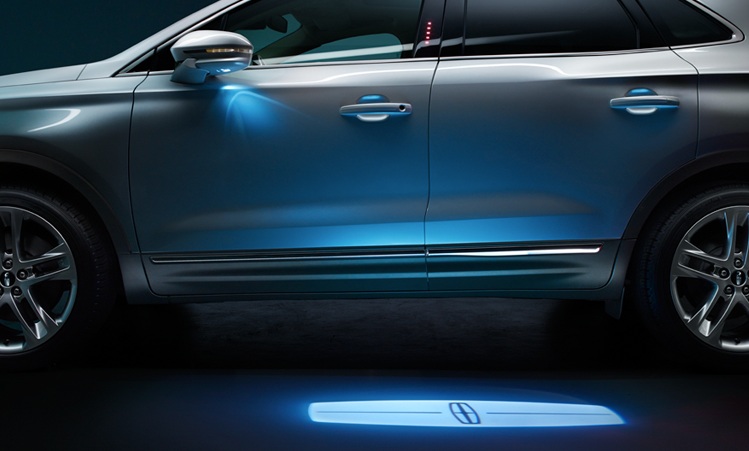
  • Projection lighting solutions allowing customization
A minimalistic icon of a globe with orbiting ring, enclosed in a circle, representing global connectivity or internet. Dark theme evokes a tech vibe.

Global partner for automotive vision systems

  • Supporting OEM programs worldwide
  • Scalable mirror solutions across vehicle segments
  • Proven expertise in safety, visibility and system integration

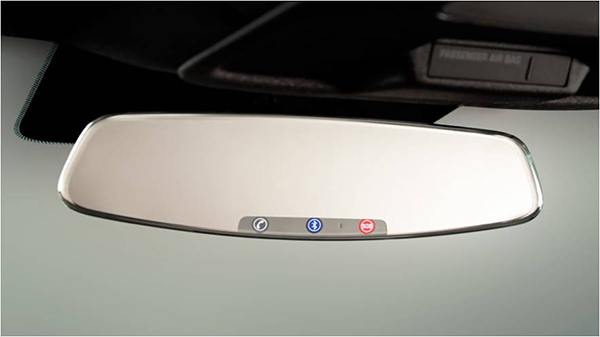
Interior Mirrors advancing in-cabin monitoring and visibility

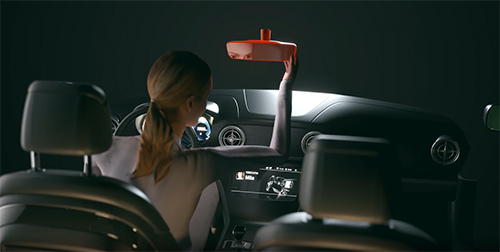
Mirrors play a central role in in-cabin monitoring and visibility, supporting features such as displays and driver monitoring. They serve as a platform for integrated electronics, enabling enhanced functionality and user interaction.

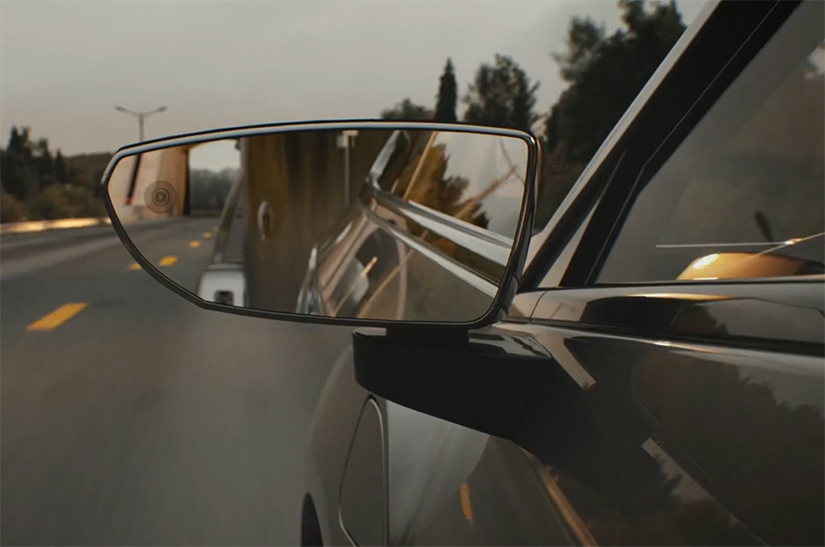
Exterior Mirrors improving visibility, safety and vehicle design

High-tech Exterior Mirrors enhance visibility and support driver awareness in a wide range of driving conditions. Integrated features improve rearward vision, contribute to aerodynamic performance, and enable additional functionality beyond traditional Mirror Systems.

Actuators providing precise and reliable movement

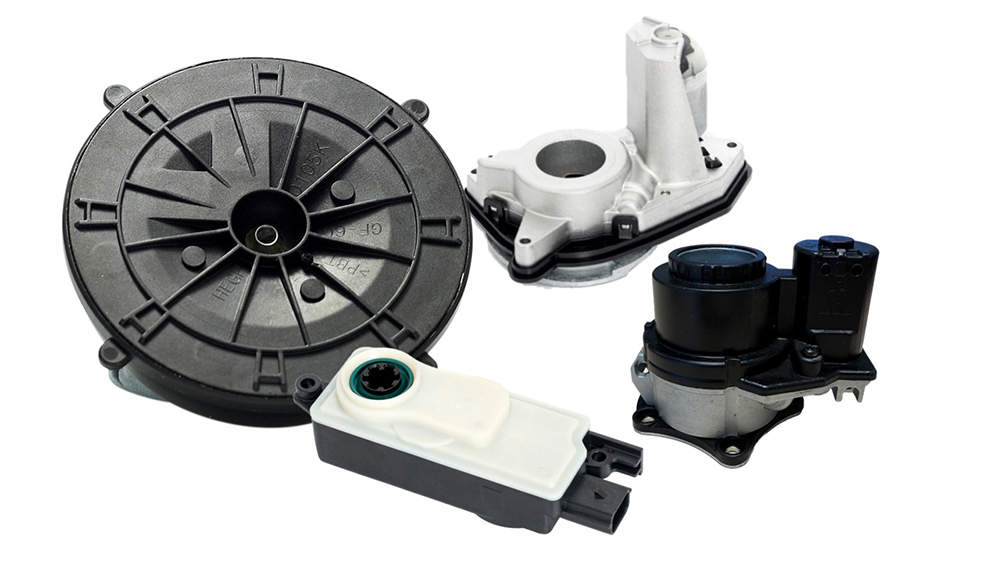
Magna's mirror and smart actuators provide precise, reliable, and quiet movement for automated mirror functions like power folding and memory positioning. Designed for consistent performance, they ensure seamless, smooth and efficient operation across diverse vehicle applications, supported by advanced motor and control technologies.

Magna’s intelligent Mirror Systems at a glance

Integrated vision and sensing systems

  • Extend traditional mirror functionality through cameras, sensors and electronic displays
  • Enable enhanced rearward visibility, wider field of view and improved perception in all driving conditions
  • Support integrated driver and occupant monitoring capabilities through mirror-based sensing solutions

Enhanced safety and driver awareness

  • Integrated technologies such as driver monitoring, occupant detection and camera-based vision improve situational awareness
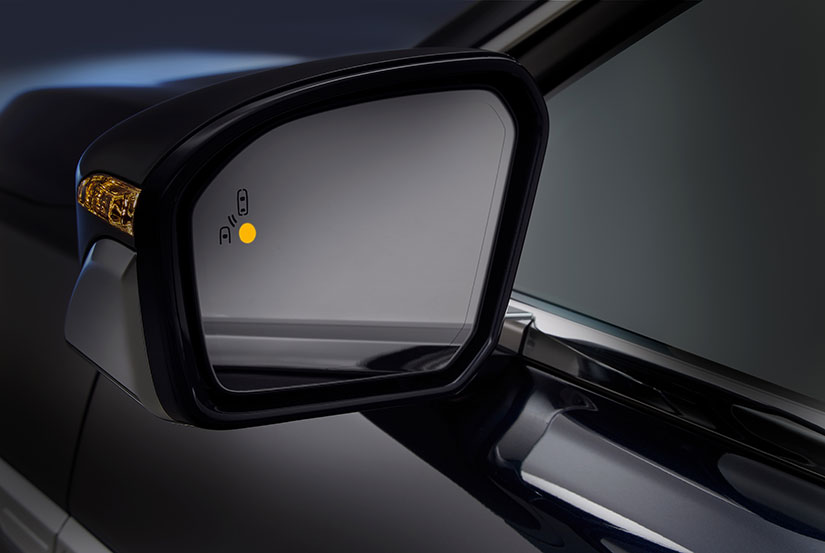
  • Help reduce blind spots, detect obstacles and support safer driving decisions
  • Enable monitoring of driver attention and occupant conditions through centralized interior sensing

Advanced feature integration and design freedom

  • Mirrors serve as key integration points for electronics, lighting and additional vehicle functions
  • Support integration of features such as hidden signals, displays and memory functions
  • Reduce the need for additional cabin-mounted hardware while preserving interior aesthetics

Scalable mirror platforms for modern vehicles

  • Modular mirror systems can be adapted across vehicle segments and architectures
  • Support integration of new technologies such as camera mirror systems and digital displays
  • Provide a flexible platform for current and future visibility and sensing requirements

FAQs – About intelligent Mirror Systems

What are Mirror Systems?

Automotive Mirror Systems extend the role of traditional mirrors by integrating electronics, cameras, sensors and displays into advanced vision platforms. In addition to providing rearward visibility, they support functions such as driver monitoring, safety alerts and improved situational awareness.

These systems can include features like camera-based rear-view displays, integrated lighting elements and intelligent control functions. By combining optical and digital technologies, they contribute to enhanced visibility, increased safety and a more connected driving experience.

How do modern Mirror Systems improve vehicle safety?

Modern Automotive Mirror Systems improve safety by expanding the driver’s field of view and reducing blind spots through camera-based technologies. They can provide real-time video feeds, enhanced low-light visibility and dynamic overlays that help drivers better understand their surroundings.

In addition, integrated systems such as driver and occupant monitoring can detect distraction or unsafe behavior and provide alerts. Features like obstacle detection and intelligent lighting further increase visibility and awareness, helping to prevent accidents and improve overall driving safety.

What is the difference between traditional mirrors and digital mirror systems?

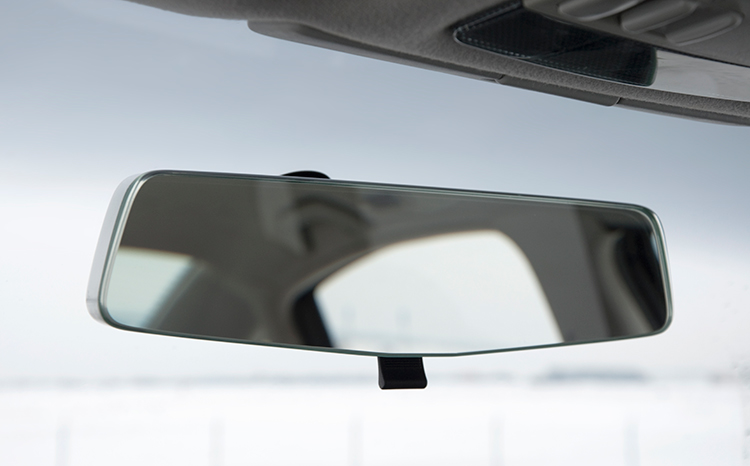
Traditional mirrors rely solely on reflective surfaces, which can be limited by viewing angles, lighting conditions and physical obstructions. Digital mirror systems, on the other hand, use cameras and displays to provide a clearer and wider view of the environment.

These systems can adapt to different driving conditions, improve visibility in low light or bad weather and eliminate blind spots. They also allow for additional features such as overlays, alerts and integration with other vehicle systems, making them significantly more advanced than conventional mirrors.

What role do Mirror Systems play in future vehicle technologies?

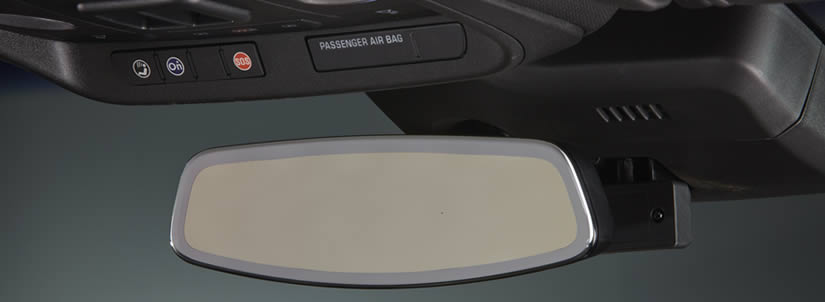
Mirror Systems are evolving beyond visibility functions to become key integration points for sensing, monitoring and user interaction. In addition to supporting exterior visibility through mirrors, cameras and video displays, interior mirror systems can also integrate technologies such as Driver Monitoring Systems (DMS) and Occupant Monitoring Systems (OMS).

This enables OEMs to consolidate multiple functions within a single component, reducing system complexity while supporting future vehicle architectures, advanced safety requirements and enhanced in-cabin intelligence.

Related Automotive Technologies

Mirror Integrated Driver & Occupant Monitoring System

Mechatronics, Mirrors & Lighting

Related Articles