4-min read

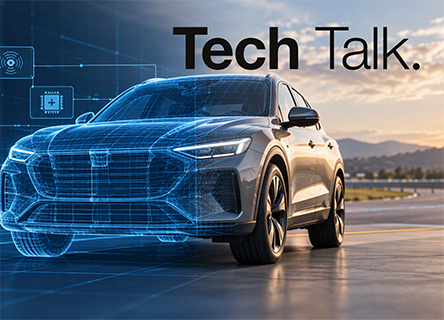
Envisioning the Future of Software-Defined Factories
For over a decade, the automotive sector has been making gradual progress toward the modernization of traditional manufacturing practices. Today, these efforts are accelerating rapidly alongside unprecedented advancements in technology defined by increasingly intelligent, data-driven processes. New standards for productivity and efficiency on the factory floor are being established.
The automotive industry is entering a new era where many factory operations are driven less by manual tasks, which can at times be cost-prohibitive, time-consuming and error-prone. Instead, we are seeing the rise of factory automation powered by both intelligent hardware and smart manufacturing software. This new generation of software-defined factories will consist of a wide and constantly expanding range of features and technologies.
One major component of this transformation is the integration of intelligent software into existing factory machinery and advanced robotics. Manufacturing facilities will significantly reduce reliance on the manual performance of essential yet tedious tasks, such as the assembly of individual parts and entire vehicles. Automation will complement human workers, making factory work safer and more efficient, minimizing operational downtime while improving accuracy and precision. This leads to a significant increase in productivity for all stakeholders.

Another significant advancement is the use of digital twins. Almost every physical object on the factory floor, from machinery to material handling equipment, will have a virtual replica. These digital twins leverage connectivity to PLCs, IoT devices and IT/OT systems, providing manufacturers with enhanced visibility into all systems and their performance. This allows for near real-time identification and mitigation of inefficiencies across the production floor.
The integration of AI and machine-learning technologies further enhances these components. AI improves the precision of automated manufacturing processes and the accuracy of data within digital twins. It also analyzes and generates actionable insights on how to improve a factory’s overall operations. This enables a more agile approach to factory safety, production efficiency, material waste reduction, and space utilization.
Overall, the fusion of intelligent software and physical processes represents a significant step forward in the modernization of automotive manufacturing. This technological revolution is actively redefining and shaping the future of the mobility sector.
As we move forward, the continued implementation and development of AI-powered automation and digital twins will help reduce operational inefficiencies and foster better collaboration across teams. This could boost productivity and unlock new opportunities for creativity and innovation.
We want to hear from you
Send us your questions, thoughts and inquiries or engage in the conversation on social media.
Related Stories
5-min read
5 Technology Shifts Reshaping Vehicle Access
Read story
4-min read
The Real Challenge of Software-Defined Vehicles Isn’t Software
Read storyStay connected
You can stay connected with Magna News and Stories through email alerts sent to your inbox in real time.